

Towards Greater Awareness, Inclusion, and Effective Implementation
Are you interested in advancing more effective, equitable, and patient-centred healthcare?
Join our Implementation School on Personalised Medicine, focused on integrating sex and gender perspectives into clinical practice, research, and health systems. Despite growing evidence, sex- and gender-related differences remain under-represented in healthcare decision-making – yet they play a critical role in disease risk, diagnosis, treatment response, and patient experience.
This interactive programme brings together clinicians, researchers, public health professionals, and policymakers to explore how to translate gender-sensitive approaches into real-world practice. Through expert-led lectures, case-based discussions, and hands-on workshops, participants will gain practical tools to implement personalised medicine strategies that are inclusive and impactful.
Why apply?
- Learn from leading international experts in personalised and gender-sensitive medicine
- Gain practical skills to improve prevention, diagnosis, and treatment strategies
- Explore cutting-edge topics including pharmacogenomics, immuno-oncology, AI bias and more…
- Strengthen your ability to design and implement gender-responsive healthcare solutions
- Network with a multidisciplinary group of professionals across Europe
Format: Hybrid (onsite and online participation available)
Dates: 27 – 30 October 2026
Location: Vilnius University Medical Science Center, Zaliuju Ezeru st. 2, Vilnius, LT-08406.
Application: 4 May – 15 June 2026 (expired)



Participation is free of charge. Six grants will be offered to support travel and accommodation for selected onsite participants.
Selection will be based on applicants’ experience in personalised medicine and their motivation to further deepen their knowledge and actively contribute to the field.
Participants will also have the opportunity to present their own implementation ideas and receive feedback from experts and peers.
Be part of the next generation of personalised medicine – apply now and contribute to a more inclusive and effective healthcare system.
Agenda
Day 1, 27 October 2026
| Time | Topic |
|---|---|
| 10:00 ‑ 10:20 | Registration and Welcome Coffee |
| 10:20 ‑ 10:30 | Welcome by the Implementation School EP PerMed EP PerMed Implementation School team |
| 10:30 ‑ 11:00 | Welcome Prof. Sonata Jarmalaite Presidential Advisor on Personal and Public Health Issues, advisor to the President of Lithuania and an expert for the Horizon Europe EU Cancer Mission Prof Dalius Jatuzis Dean VU Faculty Medicine, Vilnius, LT PM and Translational research at VU Medical Science Center & Santaros clinics Assoc. Prof Karolis Azukaitis Vice-dean, VU Faculty Medicine, Vilnius |
| 11:00 ‑ 11:15 | EP PerMed Introduction & Training Event’s Objectives Dr Maria José Ruiz Alvarez National Institute of Health, Italy |
| 11:15 ‑ 12:30 | Getting to Know Each Other Participants Introductions |
| 12:30 ‑ 13:00 | From Biosamples to Real-World Evidence: Integrating Biobanking and National Health Data for Sex- and Gender-Sensitive Personalized Medicine in Lithuania Dr Giedre Kvedaraviciene The Biobank of Lithuanian Population and Rare Disorders, Vilnius, LT |
| 13:00 ‑ 14:00 | Lunch |
| 14:00 ‑ 14:30 | Sex- and Gender-differences in Cardiac Disorders Dr Hanna Pohjantähti Tampere Heart Hospital, Finland |
| 14:30 ‑ 15:00 | Time to Integrate Sex and Gender Differences into Research and Clinical Practice Prof Roberta Gualtierotti Internal Medicine Depart. Pathophysiology and Transplantation, Milan Univ, Italy |
| 15:00 ‑ 15:30 | Highlights in Sex and Gender Differences in Migraine Prof A. Maassen van den Brink Neurovascular Pharmacology & Internal Medicine, Netherlands |
| 15:30 ‑ 17:00 | Working Group |
| 17:00 ‑ 17:30 | Coffee Break |
| 17:30 ‑ 18:30 | Pitch Session I Presentations By Participants |
| 18:30 ‑ 19:30 | Closing the Day Dinner Reception |
Day 2, 28 October 2026
| Time | Topic |
|---|---|
| 08:45 ‑ 09:00 | Morning Welcome |
| 09:00 ‑ 10:30 | Sex and Gender in Personalised Diabetes Management Prof Dídac Mauricio Dept Endocrinology & Nutrition, CIBERDEM, Hospital Santa Creu i Sant Pau, Barcelona, Spain |
| 10:30 ‑ 11:00 | Coffee Break |
| 11:00 ‑ 11:30 | Grassroots to Policy: Implementing Sex & Gender-Conscious Care in a Major HMO Dr Lior Baruch Family Physician, Gender Medicine Maccabi Healthcare Serv, Reichman Univ, Israel |
| 11:30 ‑ 12:00 | The Need for Sex and Gender Considerations in Health Economic Evaluations Dr Martina Machenga Hasso-Platner-UCT digital health. School of Public Health- University of CapeTown, South Africa |
| 12:00 ‑ 13:00 | Working Group |
| 13:00 ‑ 14:00 | Lunch |
| 14:00 ‑ 14:30 | Precision Geromedicine: From Genomics to Personalised Healthy Ageing Prof Mandana Hasanzad, Personalized Medicine Research Center, Endocrinology and Metabolism Clinical Sciences Institute, Tehran University of Medical Sciences, Tehran, Iran (ONLINE) |
| 14:30 ‑ 15:00 | Sex-based Differences and Functional Genomics Prof Noam Shomron Tel-Aviv University, Israel |
| 15:00 ‑ 15:30 | Colorectal Cancer Prevention Program and Observed Sex-based Differences Prof Tomas Poskus VU Translational Health Research Institute, Vilnius, Lithuania |
| 15:30 ‑ 16:30 | Working Group |
| 16:30 ‑ 17:00 | Coffee Break |
| 17:00 ‑ 18:00 | Pitch Session III |
| 18:00 ‑ 18:30 | Gender differences in radiotherapy Prof Valerio Nardone Department of Precision Oncology, University of Campania “L. Vanvitelli”, Naples, Italy (ONLINE) |
| 18:30 | Closing the Day Dinner Reception |
Day 3, 29 October 2026
| Time | Topic |
|---|---|
| 08:45 ‑ 09:00 | Morning Welcome |
| 09:00 ‑ 09:30 | Sex and Gender Integration in Immunological Research Dr Helena Soares Nova Medical School, Faculdade de Ciencias Medicas, Nova University, Lisbon, Portugal |
| 09:30 ‑ 10:30 | Working Group |
| 10:30 ‑ 11:00 | Coffee Break |
| 11:00 ‑ 11:30 | Beyond biology: why gender equality strategy matters for Personalised Medicine Implementation Dr Kateryna Denysova Bureau for Policy & Programme Support (BPPS), Istanbul Regional Hub, United Nations Development Programme |
| 11:30 ‑ 12:30 | Working Group |
| 12:30 ‑ 13:00 | Pitch Session III |
| 13:00 ‑ 14:00 | Lunch |
| 15:00 ‑ 15:30 | The Gender Health Gap in Pharmacotherapy and Safety Prof Julia C. Stingl Medical Clinic, Internal Medicine, Clinical Pharmacology and Pharmacoepidemiology, Heidelberg University Hospital, Germany |
| 15:30 ‑ 16:00 | The Integration of Sex and Gender Variables into Biobanking and Translational Cancer Biology Prof Neşe Atabey, Galen Research Center, Tinaztepe Univ, Buca, Izmir, Turkey |
| 16:00 ‑ 17:00 | Working Group |
| 17:00 ‑ 17:30 | Coffee Break |
| 17:30 ‑ 18:00 | Sex- and Gender-Specific Lifestyle, Psychosocial, and Sociocultural Targets for Alzheimer’s Disease Prevention in Africa: The FemBER-Africa Project Dr Jasmit Shah Brain and Mind Institute Biostatistician Internal Medicine, Aga Khan University, Nairobi, Kenya |
| 18:00 ‑ 19:00 | Pitch Session IV |
| 19:00 | Working Dinner |
Day 4, 30 October 2026
| Time | Topic |
|---|---|
| 08:45 ‑ 09:00 | Morning Welcome |
| 09:00 – 09:30 | Sex, gender, & medicines safety: a regulatory perspective María Martínez González, Spanish Agency of Medicines and Medical Devices, and Complutense University of Madrid, Spain |
| 09:30 – 10:30 | Working Group |
| 10:30 – 11:30 | Sex-Disaggregated Data Along Gender-Based Health Pathways Dr Isabella Ceccherini UOSD Area Aggregazione Laboratori della Ricerca, IRCCS Istituto Giannina Gaslini Genova, Italy (ONLINE) |
| 11:30 – 12:00 | Coffee break |
| 12:00 – 12:30 | Sex, Gender, Infertility and its Treatment Prof Antonio La Marca University of Modena and Reggio Emilia, Italy (ONLINE) |
| 12:30 – 13:30 | Final Test Certification & Quality Evaluation Test |
| 13:30 – 14:30 | Closing Remarks & Farewell Lunch |
Speakers
Day 1, 27 October 2026
Sonata Jarmalaite
Welcome
Presidential Advisor on Personal and Public Health Issues, advisor to the President of Lithuania and an expert for the Horizon Eu-rope EU Cancer Mission. Professor Sonata Jarmalaitė directly shapes the healthcare policies, research implementation strategies, and funding frameworks required to integrate personalized medicine into clinical practice.
Dalius Jatuzis
Welcome
Dean, VU Faculty of Medicine, Vilnius; PM and Translational Re-search at VU Medical Science Center & Santaros Clinics
Karolis Azukaitis
Welcome
Vice-Dean, VU Faculty of Medicine, Vilnius.
Maria José Ruiz Alvarez
EP PerMed Introduction & Training Event’s Objectives
Maria José Ruiz is a Medical Doctor with over 13 years of experience in healthcare, occupational medicine, and clinical microbiology, with a strong focus on hospital laboratory services. She holds a PhD and a master’s in clinical research Methodology. Specialized in the molecular and immunological aspects of human infections, health risk assessment, pathogen identification, and antimicrobial resistance profiling. As a researcher at the Istituto Superiore di Sanità (ISS) She currently serves as a Scientific Officer and Project Manager, overseeing Horizon 2020 and Horizon Europe projects in Personalized Medicine, Oncology, Pandemic Preparedness, and AMR. She acts as ECRIN European Correspondent for Italy (ItaCRIN), and since 2024 is a certified EUPATI Fellow (Cohort 7), supporting patient engagement in clinical research.
Giedrė Kvedaravičienė
From Biosamples to Real-World Evidence: Integrating Biobanking and National Health Data for Sex- and Gender-Sensitive Personalized Medicine in Lithuania

Giedrė Kvedaravičienė is the Director of the Lithuanian Population and Rare Disorders Biobank at the Vilnius University Faculty of Medicine. She is also a Board Member of the national BBMRI-LT node, as well as a health economist and experienced C-level executive.
Hanna Pohjantähti
Sex- and Gender-differences in Cardiac Disorders
Hanna Pohjantähti is Cardiologist at Tampere University Hospital, Finland
Roberta Gualtierotti
Time to Integrate Sex and Gender Differences into Research and Clinical Practice
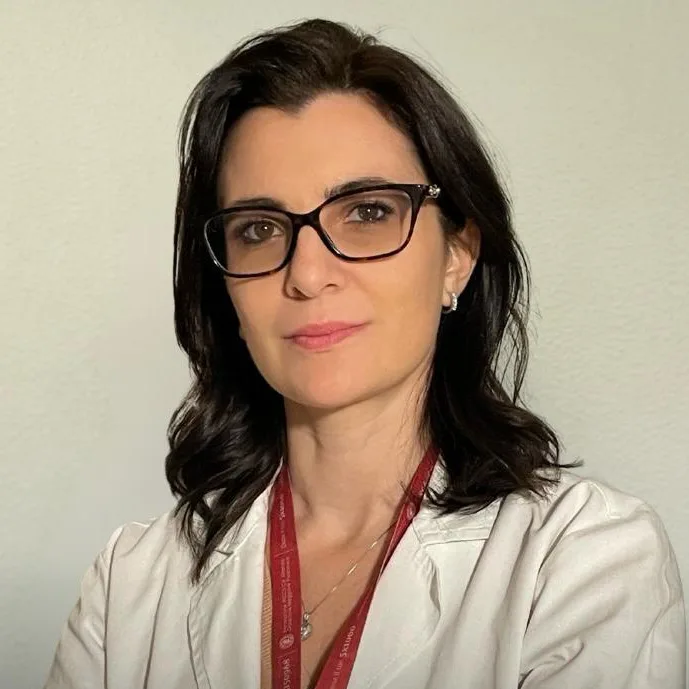
Roberta Gualtierotti, MD, PhD, is Associate Professor of Internal Medicine at the University of Milan and a physician at the Angelo Bianchi Bonomi Hemophilia and Thrombosis Center, Fondazione IRCCS Ca’ Granda Ospedale Maggiore Policlinico, Milan. Her expertise includes internal medicine, rheumatology, the interplay between coagulation and inflammation, and sex- and gender-based medicine. Since 2023, she has served as Gender Medicine Lead at the Policlinico di Milano, promoting the integration of sex and gender determinants into clinical pathways, research, and education. She has also contributed to the institution’s Gender Equality Plan and ongoing gender certification process.
Antoinette Maassen van den Brink
Highlights in Sex and Gender Differences in Migraine
Professor of Pharmacology at the Dept. of Internal Medicine. After studying Biomedical Sciences in Leiden, she obtained her PhD at the Department of Pharmacology at the (current) Erasmus MC, studying the coronary side effects of antimigraine drugs. She currently investigates the neurovascular aspects of migraine, with a special emphasis on the role of female sex steroids.
Day 2, 28 October 2026
Didac Mauricio
Sex and Gender in Personalised Diabetes Management
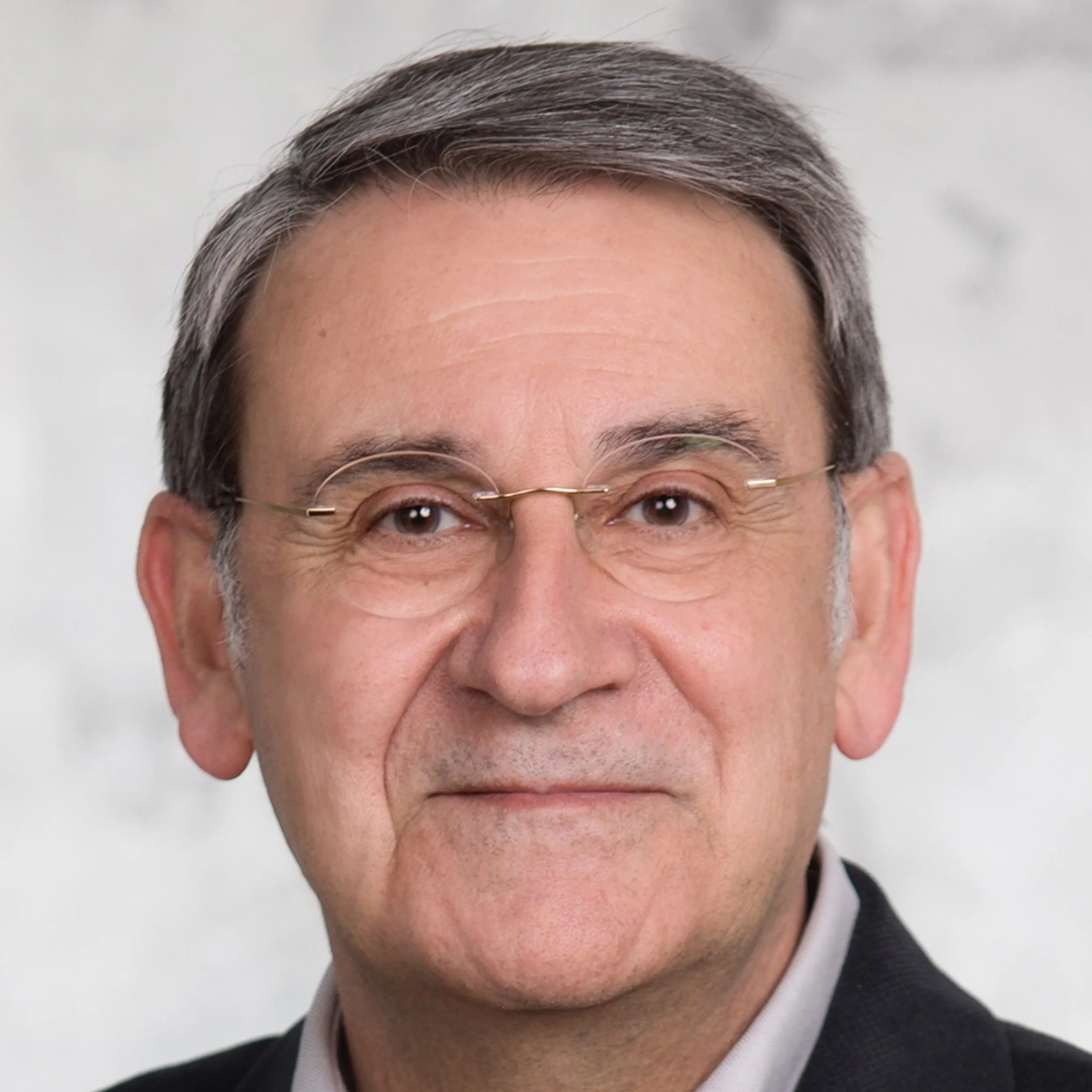
Didac Mauricio, MD, PhD, is Director of the Department of Endocrinology and Nutrition at Hospital de la Santa Creu i Sant Pau in Barcelona and Professor at the University of Vic – Central University of Catalonia. He is Scientific Director of CIBERDEM, the Spanish diabetes and metabolic diseases research network. His research focuses on diabetes management, diabetic complications, clinical trials, and precision diabetes. He has published over 390 peer-reviewed articles and has led numerous national and international research projects. He is also a member of the EASD Guideline Oversight Committee and Global Council.
Lior Baruch
Grassroots to Policy: Implementing Sex & Gender-Conscious Care in a Major HMO
Dr Lior Baruch Family Physician. Gender Medicine Maccabi Healthcare Serv, Reichman Univ, Israel Founder and manager at HealthyHer – Feminist Medicine
Martina Machenga
The Need for Sex and Gender Considerations in Health Economic Evaluations
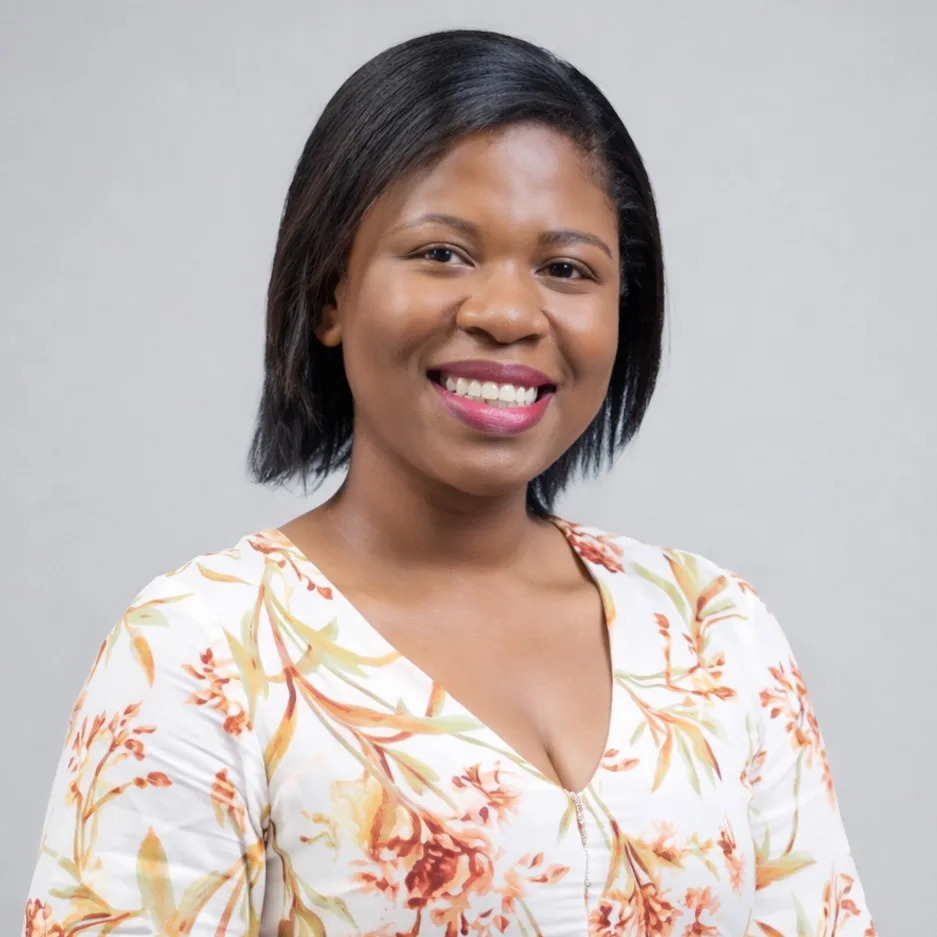
Dr. Martina Mchenga is a health economist and global public health researcher with over a decade of experience generating evi-dence to inform health policy and resource allocation in low- and middle-income countries. She currently works as an independent consultant and serves as a Data Analyst Consultant with the FGM Data Hub at Population Council, Kenya. Previously, she was a Post-doctoral Research Fellow at the Centre for Social Science Research, University of Cape Town, and a Visiting Research Fellow at the Uni-versity of Pennsylvania. Her research focuses on health financing, economic evaluation, gender and health equity, maternal and ado-lescent health. Martina has advised Ministries of Health in Malawi and Sierra Leone through the ODI Fellowship programmes on health financing reforms aimed at advancing universal health cov-erage. School of Public Health- University of CapeTown. Hasso-Platner-UCT digital health fellow.
Mandana Hasanzad
Precision Geromedicine: From Genomics to Personalised Healthy Ageing
An innovative healthcare executive with expertise in the implementation of new technologies to improve healthcare, bringing #personalized/precision medicine products and ideas to market, In 2015. , she founded Personalized Medicine Research Center, Endocrinology and Metabolism Clinical Sciences Institute for Translational, Pharmacogenetics, and Policy Research on Precision Medicine, which focuses on how to develop objective evidence of value and coverage of precision/personalized medicine in clinical practice. Leverage Biomedical knowledge, evolving applications of multi-omics data in personalized/precision medicine research and the clinic, and unparalleled client service to drive disruption in health care. A distinguishing characteristic of Dr. Hasanzad’s work is the translation of personalized/precision medicine knowledge into clinics by bringing together perspectives across.
Noam Shomron
Sex-based Differences and Functional Genomics
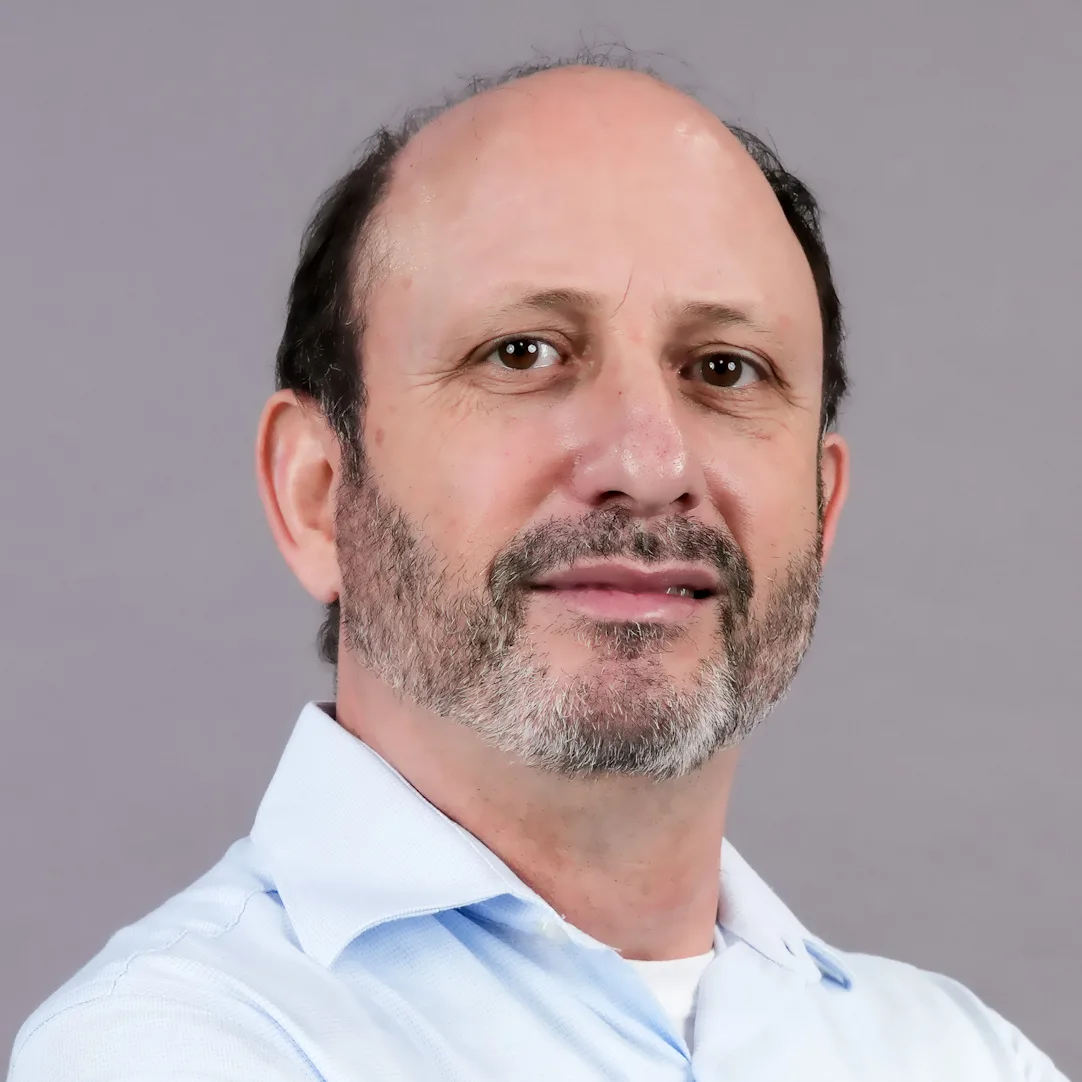
Lecturer and Principal Investigator (PI), Faculty of Medicine, Tel Aviv University. Prof. Noam Shomron received his BA in Biotechnology from the Macquarie University in Sydney, Australia; his MA in Gene Therapy at The Hebrew University of Jerusalem; and a PhD in Genetics from Tel Aviv University where he worked on regulatory RNA systems. As a postdoctoral affiliate at MIT in Cambridge, USA, Noam specialized in combining high-throughput data with computational analysis to decipher gene regulation in health and diseases. Today, Noam heads the Functional Genomics Laboratory at Tel Aviv University’s Medical School, and is the Director of Rare Genomics Israel. Noam’s team explores Genomics, the link between DNA sequences and RNA expression during the development of diseases.
Tomas Poskus
Colorectal Cancer Prevention Program and Observed Sex-based Differences
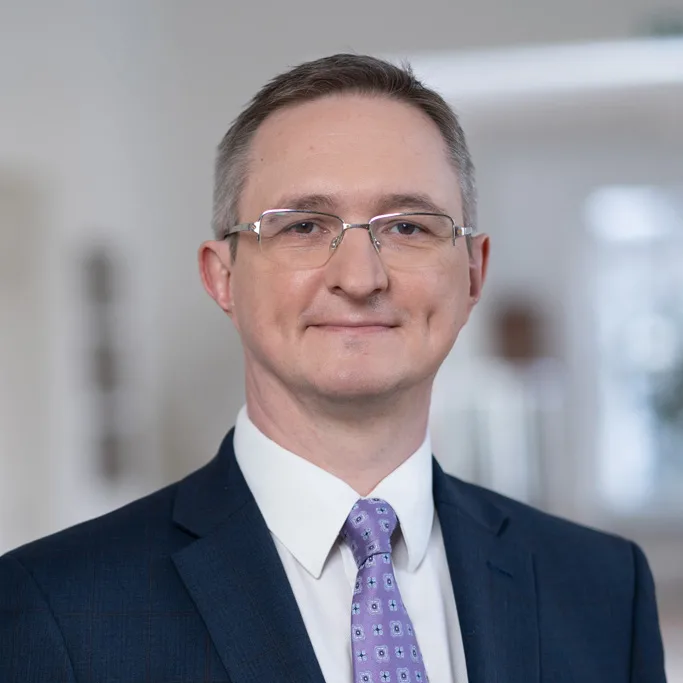
Director of the Translational Health Research Institute at Vilnius University, Head of the Abdominal and Oncosurgery Centre at Vilnius University Hospital Santaros Clinics, and Professor of Surgery. He graduated in Medicine from Vilnius University in 1999 and completed his surgical training and PhD there. Clinical Fellow at Mayo Clinic, USA, in 2009–2010. He is a Fellow of the European Board of Surgery in Coloproctology and has served as an Examiner since 2023. President of the Lithuanian Association of Surgeons (2025–2028). Vice President of the Lithuanian Society of Coloproctologists. His research and clinical interests include colorectal cancer, cancer prevention, anorectal disorders, and colorectal surgery.
Valerio Nardone
Gender differences in radiotherapy
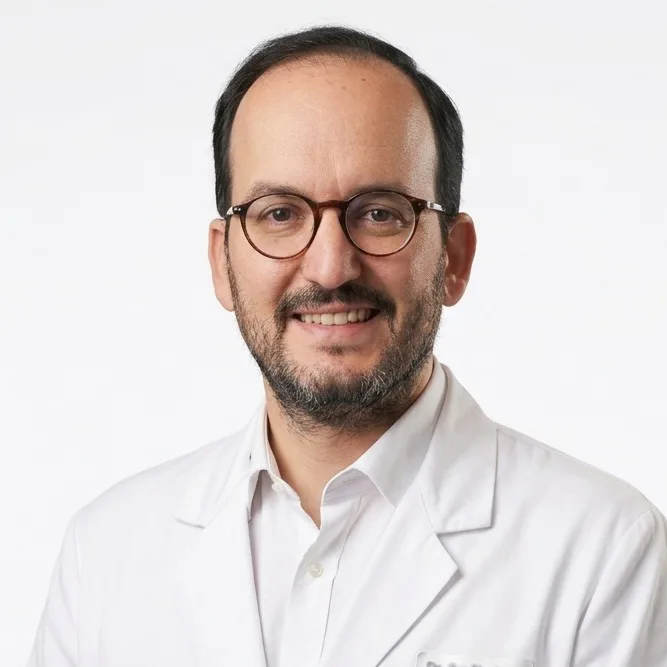
Dr. Valerio Nardone is an Italian radiation oncologist and Associate Professor at the University of Campania “L. Vanvitelli” in Naples. He graduated in Medicine from the University of Siena in 2010, specialized in Radiation Oncology, and obtained a Master’s degree in “Radiotherapy and New Drugs: Biology and Clinic” from the University of Brescia in 2018. His research focuses on lung cancer, radiomics, and personalized oncology, with more than 150 peer-reviewed publications (H-index 25). He has received several national scientific awards and serves as Associate Editor for Critical Reviews in Oncology and Hematology, and BJR Open.
Day 3, 29 October 2026
Helena Soares
Sex and Gender Integration in Immunological Research
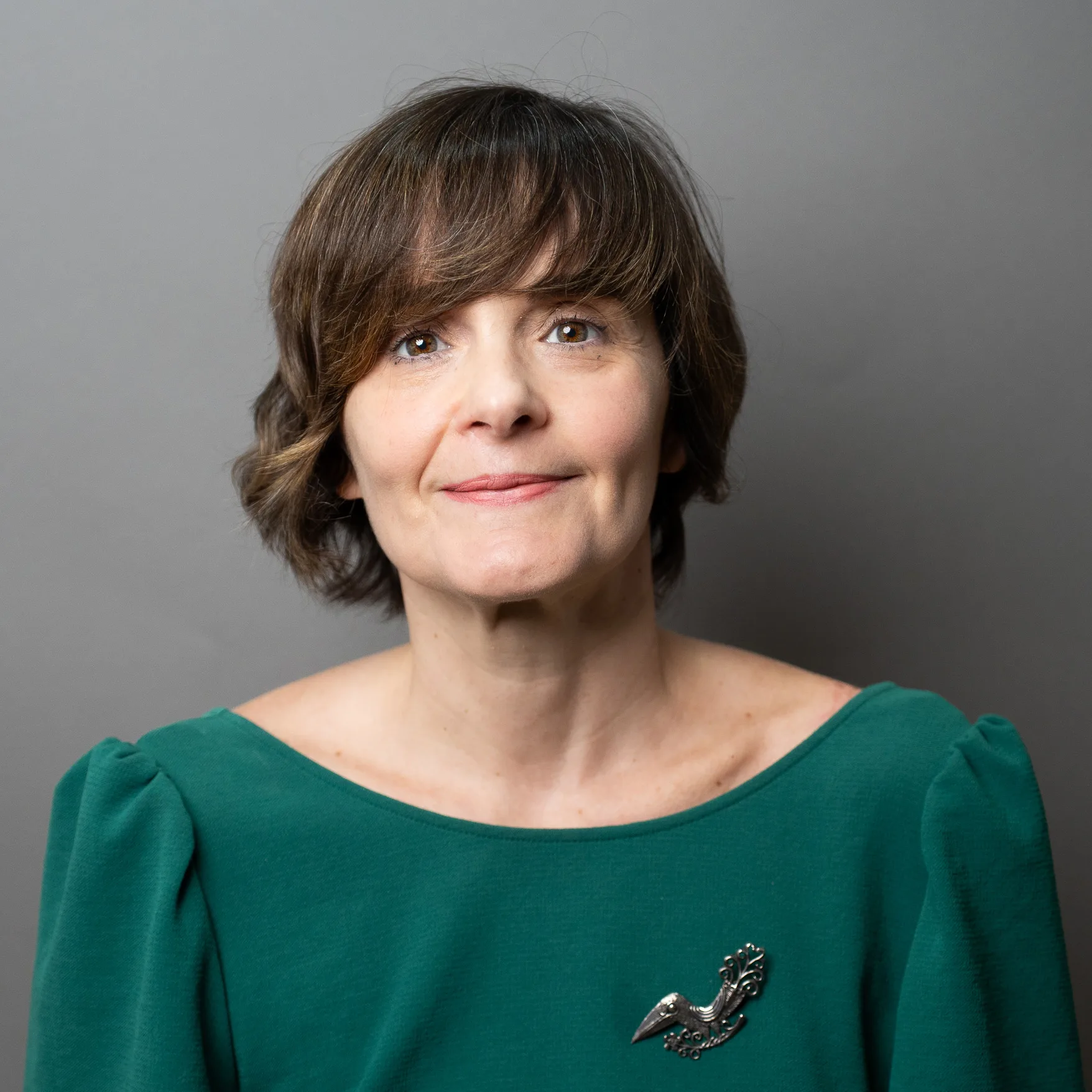
Helena Soares is Principal Investigator at NOVA Medical School, where she leads the Human Immunobiology and Pathogenesis Laboratory. Her research integrates fundamental and clinical immunology, focusing on sex- and age-related differences in immune responses and the role of tissue microenvironments in disease. She holds a PhD in Immune Physiology from The Rockefeller University and conducted postdoctoral research at Institut Pasteur. Her work includes research on T cell-mediated tissue damage and sex differences in COVID-19 and Long COVID. She is active in sex- and gender-sensitive medicine, precision medicine training, and science communication.
Kateryna Denysova
Beyond Biology: Why Gender Equality Strategy Matters for Personalised Medicine Implementation

Kateryna Denysova is a global health and development specialist with more than 10 years of experience across UNDP, WHO, and USAID-supported programmes in Europe, Central Asia, and Sub-Saharan Africa. She works at the intersection of health systems, digital health, and governance, focusing on translating innovation into scalable, real-world implementation. Until recently, she coor-dinated the UNDP’s Integra Initiative in Sub-Saharan Africa, ad-vancing gender-responsive and integrated service delivery models in Angola and Zimbabwe. Her work includes supporting Global Fund-related implementation in the countries in Europe and Cen-tral Asia, strengthening community systems, and embedding gen-der equality and equity into health programme design and deliv-ery. She holds a PhD in Biomedical Engineering and Health Sys-tems from the KTH Royal Institute of Technology (Stockholm, Swe-den), and a Master’s in Public Health from the University of Porto (Porto, Portugal).
Julia C. Stingl
The Gender Health Gap in Pharmacotherapy and Safety
Julia Stingl is Professor and Medical Director of Clinical Pharmacology and Pharmacoepidemiology at Heidelberg University Hospital. She previously headed the Institute of Clinical Pharmacology at RWTH Aachen University Hospital and was Head of Research and Vice President of BfArM, Germany’s drug regulatory authority. Her research focuses on Personalized Medicine and pharmacogenetics, particularly individualized dosing and the prevention of adverse drug reactions. She has contributed to numerous European projects and authored over 300 peer-reviewed publications. She is an expert for the European Medicines Agency and serves on several German and European scientific committees.
Neşe Atabey
The Integration of Sex and Gender Variables into Biobanking and Translational Cancer Biology
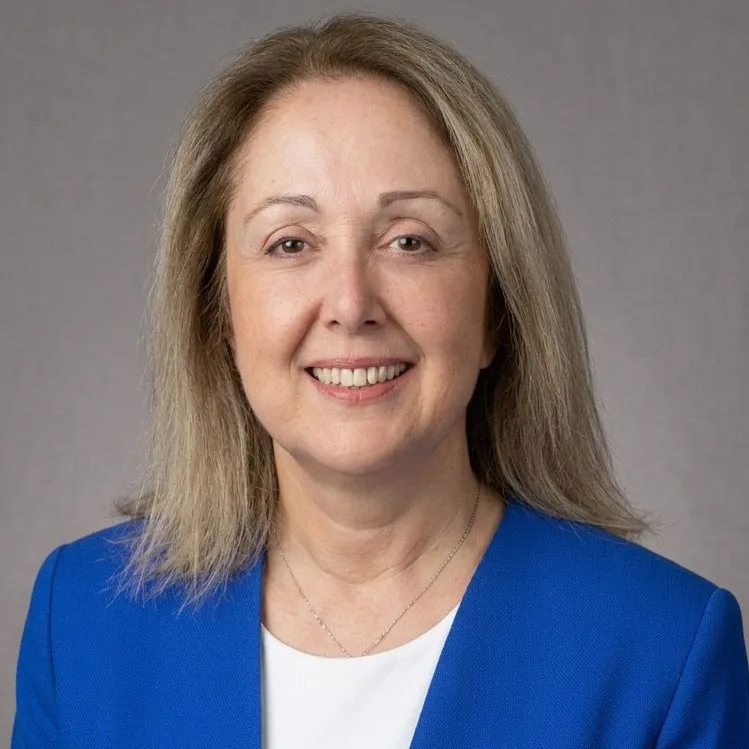
Prof. Dr. Neşe Atabey is a Professor of Medical Biology and Director of the Graduate School and Galen Research Center at Izmir Tinaztepe University, while leading the Translational Cancer Research group at the Izmir Biomedicine and Genome Center (IBG). Specializing in cancer cell signaling within the tumor microenvironment—with a focus on HGF/c-Met pathways—she has authored over 100 publications and holds multiple patents. She played a key role in the establishment of the IBG Biobank and has served as the National Node Coordinator for BBMRI.tr for over a decade. In addition to leading the national implementation of ISO 20387 biobanking standards in Türkiye, she established training networks to support researchers and healthcare professionals in the field.
Jasmit Shah
Sex- and Gender-Specific Lifestyle, Psychosocial, and Sociocultural Targets for Alzheimer’s Disease Prevention in Africa: The FemBER-Africa Project

Experienced Biostatistician with a demonstrated history of working in the hospital & health care industry. Skilled in Bio-statistics, Bioinformatics, Analytical Skills, Statistical Modeling, Molecular Biology, and Survival Analysis. Strong research professional with a Doctor of Philosophy (PhD) focused in Bio-statistics and Bioinformatics from University of Louisville. Brain and Mind Institute Biostatistician Internal Medicine, Aga Khan University, Nairobi, Kenya
Day 4, 30 October 2026
María Martínez-González
Sex, Gender, & Medicines Safety: A Regulatory Perspective
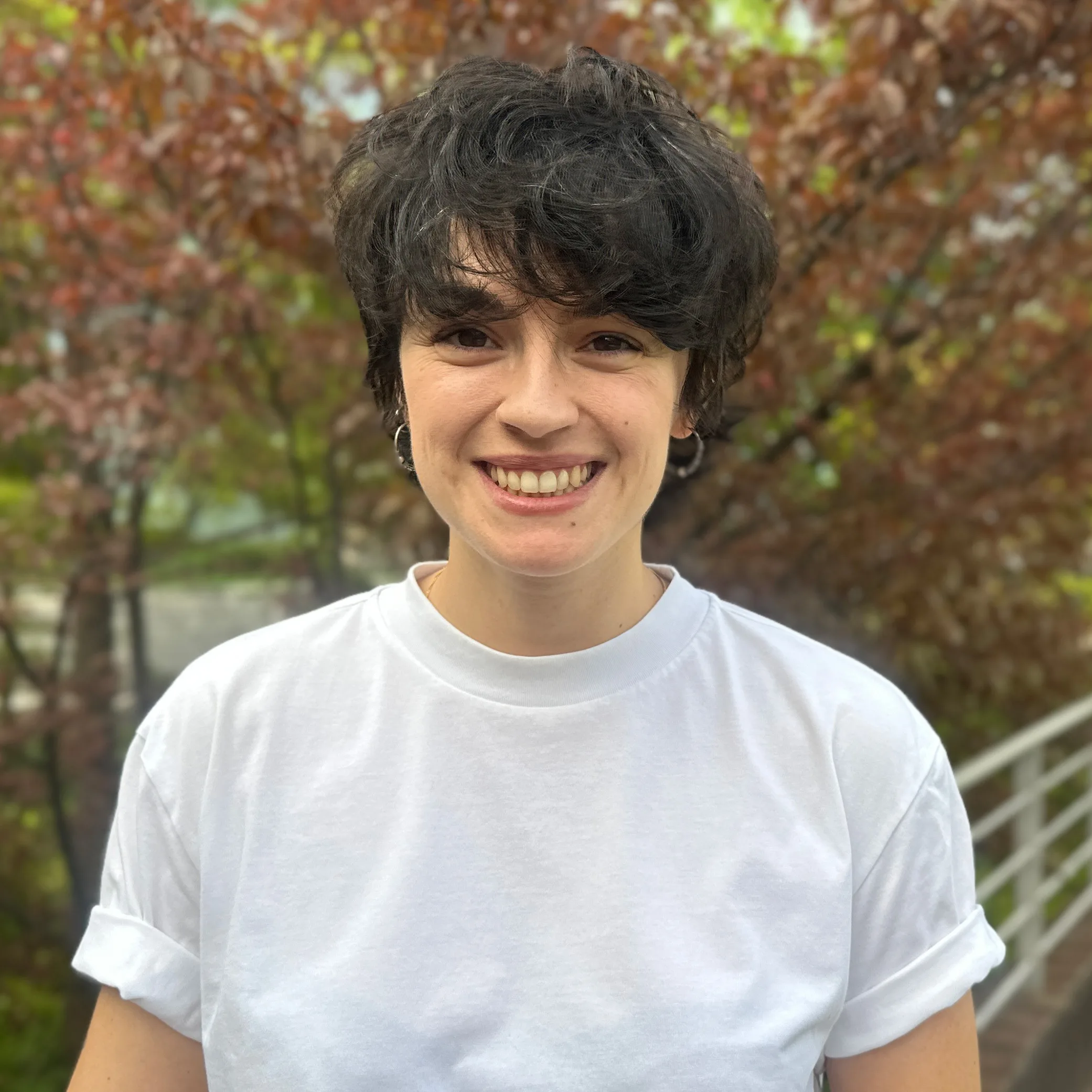
She is a pharmacist by training and holds a master’s degree in Public Health. With over 10 years of experience in pharmacovigilance and drug safety across different settings, she currently works at the Spanish Agency of Medicines and Medical Devices (AEMPS), where she serves as the Spanish alternate member of the Pharmacovigilance Risk Assessment Committee (PRAC) of the European Medicines Agency (EMA). Her main research interests include women’s health and gender bias in research, topics she is exploring through her predoctoral studies.
Isabella Ceccherini
Sex-Disaggregated Data Along Gender-Based Health Pathways
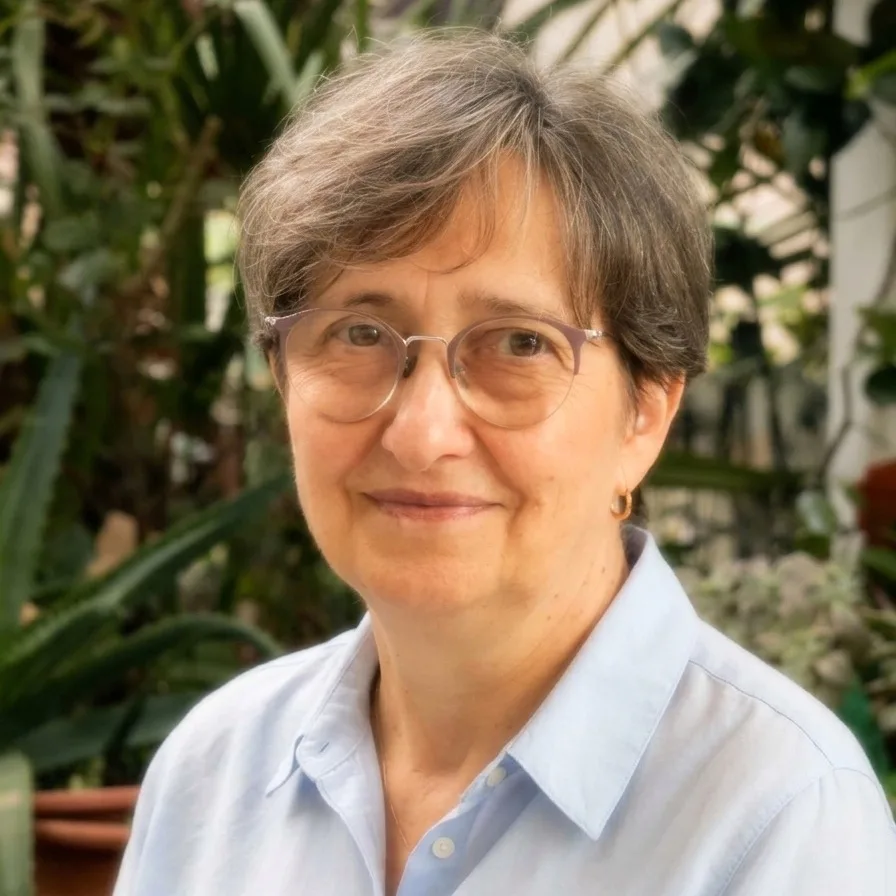
Isabella Ceccherini is Head of the Research Laboratory Aggregation Area at the Giannina Gaslini Institute in Genoa. She has extensive expertise in human molecular genetics, with a research focus on rare genetic diseases, neurocristopathies, autoinflammatory and immunodysregulation disorders, and the application of NGS for diagnosis and novel gene discovery. Her recent work explores omics and molecular signatures to support personalized medicine. She has coordinated numerous research projects and authored hundreds of publications in international peer-reviewed journals. She also contributes to scientific committees of patient and family associations.
Antonio La Marca
Sex, Gender, Infertility and its Treatment
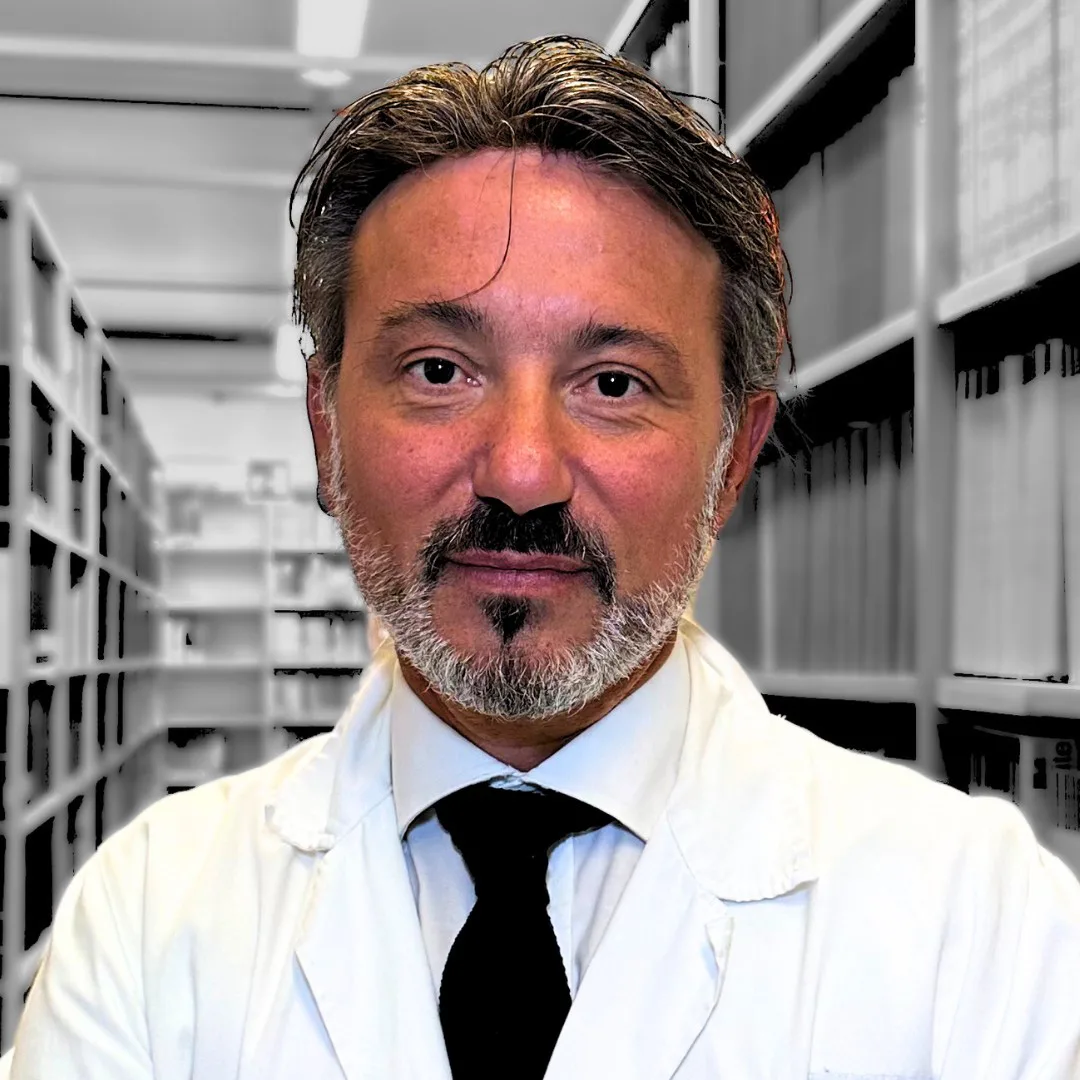
Antonio La Marca is Professor of Obstetrics and Gynecology at the Department of Medical and Surgical Sciences of the Mother, Children and Adults of the University of Modena and Reggio Emilia, Italy. He was awarded his MD in 1996 by the University of Siena, Italy, specialized in obstetrics and gynecology in 2001, and gained a PhD in Biology of Germ Cells in 2004. He is the Director of the Residency school in Obstetrics and Gynecology at the University of Modena and Reggio Emilia and Chair of Obstetrics and Gynecology Department at the Policlinico Universitario of Modena His clinical activity covers all fields of reproductive medicine, gynecology and obstetrics and he has taken part in thousands of laparoscopic and hysteroscopic surgical procedures. In particular, in the field of reproductive medicine, he is considered an international key opinion leader because of his broad clinical and scientific experience.