

European research infrastructures, in particular the ones part of the European Research Infrastructure Consortium (ERIC) play an important role in providing researchers with access to high-quality resources and services essential for advancing cutting-edge research, driving innovation, and developing technologies and therapies across different sciences.
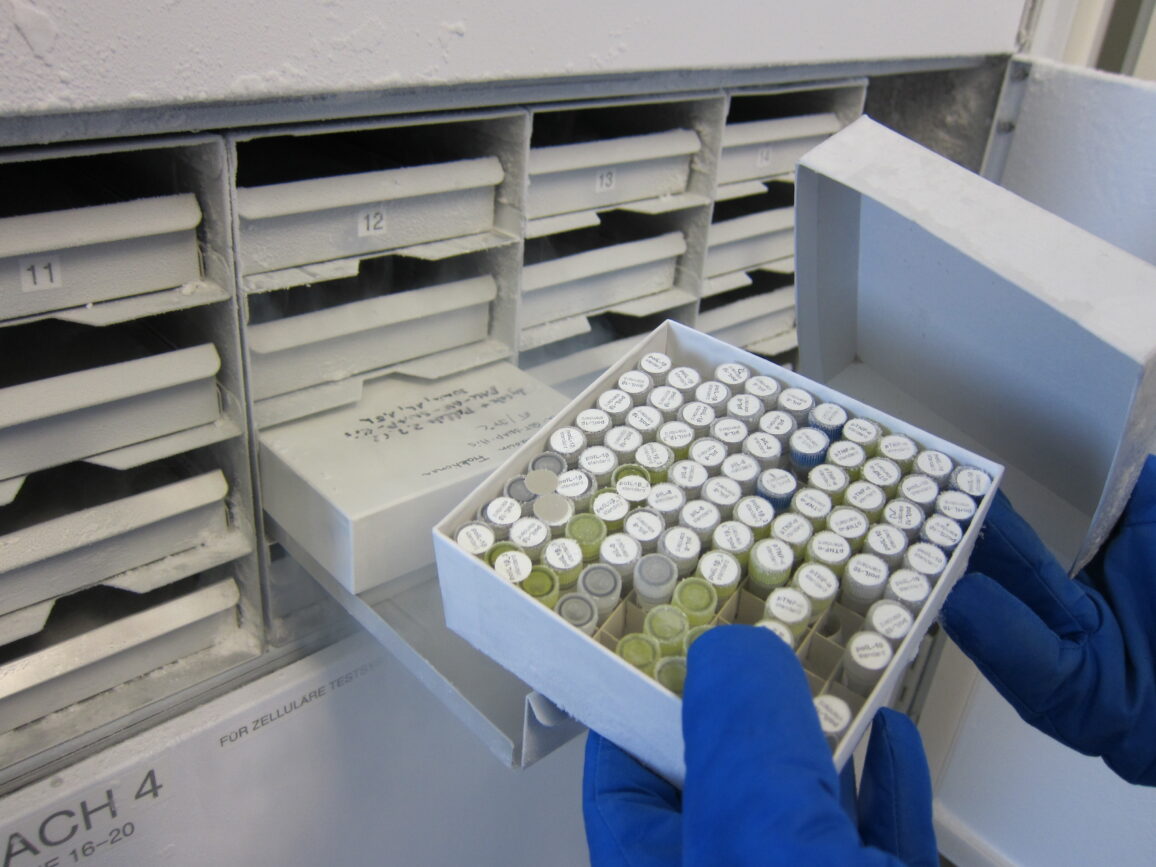
Research infrastructures, especially those in life sciences and health research, are also crucial for tackling global health challenges and addressing the needs of citizens. They include research laboratories, scientific instrumentation and technologies, data resources, computational tools, and communication and expert networks. Research infrastructures are open and accessible to researchers across Europe and beyond to foster ground-breaking research and innovation for the benefit of society at large.
This list of research infrastructures has a dual purpose: on one hand it provides an up-to-date snapshot of the landscape of PM infrastructures, and on the other it will be used by EP PerMedas tool for outreach and cooperation activities. Furthermore, the list will be useful to spot and select the key players, i.e. infrastructure that are setting the gold standard in supporting personalised medicine research. EP PerMed and its network can support and help these infrastructures thrive, also inviting them to take part to the calls for Best Practice.
| Name | Main activities carried out | Size | Sponsor/Funding Agency | Country | Region (if applicable) | Start year | End year | Keywords | Area of interest | Health category | Overall goal/mission |
|---|---|---|---|---|---|---|---|---|---|---|---|
| Africa-Europe CoRE Genomics for Health in Africa | Research and innovation performing; Research and Innovation services | not applicable | Arua and The Guild Project | Africa-Europe collaboration | Ruanda; Ghana; Nairobi (Core partner) | 2023 | 2033 | Genomics | Training, Biobanking, Patient advocacy/engagement | Generic health relevance | Center of Excellence centered on Genomics set up through a collaboration of universities in Europe and in Africa. An initiative that leverages the potential of genomics to revolutionise healthcare in Africa. |
| Integrated Biorepository of H3Africa Uganda (IBRH3AU) | Research and Innovation performing | not applicable | H3Africa Inititative funded by NIH | African continent | – | 2012 | Ongoing | Biorepository | Training, Biobanking | Generic health relevance | IBRH3AU has built a solid infrastructure over the past ten years with cutting-edge methods and technologies for the collection, processing, quality control, handling, management, storage and shipment of biospecimens. Develop a state-of-the-art world class biorepository of well annotated stored biospecimens widely available to the H3Africa Consortium, African and International researchers for genomic discovery projects |
| Austrian Biobanking Network BBMRI.at | Research and innovation performing; Research and Innovation services | not applicable | – | Austria | Graz | 2014 | Ongoing | Biobanking | Biobanking | Generic health relevance | BBMRI.at is the Austrian Node of BBMRI-ERIC, the European Biobanking Research Infrastructure, which is jointly operated by over 20 countries and one international organisation (WHO/IARC). BBMRI.at consists of and links Austrian universities and biobanks with the goal to develop the national biobanking research infrastructure for supporting and accelerating biomedical research. BBMRI.at partners harbor in total over 22 million human and animal biobanked samples (ranging from tissue and blood to stool, saliva and other body fluids, cells and derivates) including associated medical data and clinical and scientific expertise for joint research collaborations. In addition to archived material, nearly 1 million samples are newly collected per year. These human and animal biospecimens and the linked medical data are an important resource needed for basic and translational research as well as for in-vitro diagnostics, artificial intelligence and companion medicine R and D. |
| Biobank Graz | Research and innovation performing; Research and Innovation services | not applicable | Austrian government | Austria | Graz | – | Ongoing | Biobank | Biobanking | Generic health relevance | Biobank Graz is one of the largest and most well-known clinical biobanks in the world. Around 22 million individual specimens of body fluids and human tissue are stored here. Biobank Graz allows access to these specimens and associated data for scientific research purposes. The common goal is to develop approaches to diagnosing and treating disease. |
| Biobank Innsbruck | Research and innovation performing; Research and Innovation services | not applicable | Austrian government | Austria | Innsbruck | – | Ongoing | Biobank | Biobanking | Generic health relevance | The Health Data Research Hub of the Medical University of Innsbruck addresses the need for a centralized hub to facilitate data-driven research by enabling efficient secondary use of patient data, supporting areas such as clinical research, image and biosignal processing, genetics, multi-omics data, clinical epidemiology, and ML/AI methods. The Health Data Research Hub aims to drive excellence in data-based medical research, ensuring efficient and future-proof processes while meeting the high standards of ethical, legal, and technological patient data security. |
| Biobank MedUni Vienna | Research and innovation performing; Research and Innovation services | not applicable | Bundesministerium für Bildung, Wissenschaft und Forschung; Das Land Steiermark; | Austria | Vienna | – | Ongoing | biobank, sampling, bbmri, pathology, neuropathology, liquid, tissue | Biobanking | Generic health relevance | The MedUni Vienna Biobank sees itself as a vital link between basic and clinical research, with the goal of advancing research into novel diagnostic, prognostic, and predictive biomarkers as well as therapeutic strategies. This mission is fulfilled by supporting researchers in the processing, storage, and analysis of human tissue, cells, and fluids for academic research and clinical studies. Centrally located, the facility consists of collaborative projects embedded within various departments and clinical institutes of the Medical University of Vienna. |
| Core Facility Biobank | Research and Innovation performing | – | – | Austria | Upper Austria | 2024 | Ongoing | nitrogen cryo storage, clincal studies, biological samples | Biobanking | Generic health relevance | Provide a central framework for the acquisition and storage of high-quality, project-specific samples from biomedical and clinical research. The Core Facility Biobank serves as infrastructure, providing a central framework for the acquisition and storage of high-quality, project-specific samples from biomedical and clinical research. Responsibilities span from the processes of preparation to controlled storage and the distribution of biological materials, accompanied by the provision of information and data related to the respective biological materials. Together with the cooperation partner Kepler University Hospital, the Core Facility Biobank forms the basis for high quality handling of various biological materials, ranging from tissue and liquid samples to cell populations. |
| MedUni Vienna Core Facility Metabolomics, Genomic, Proteomics | Research and Innovation services | not applicable | – | Austria | Vienna | – | Ongoing | genomics, metabolomics, single cell metabolomics, proteomics | Not applicable | Generic health relevance | – |
| next Seq 2000 | Research and Innovation services | not applicable | Federal Ministry Republic of Austria | Austria | Upper Austria | – | Ongoing | WES, WGS, RNA seq, single cell sequencing | Personalized medicine, translational medicine | Other | Sequencing of small genomes, exome sequencing, single cell sequencing and RNA sequencing as well as for sequencing the entire human genome. |
| Vienna Biocenter Core Facilities GmbH | Research and Innovation services | not applicable | Austria | Vienna | 2010 | Ongoing | NGS, Proteomics, Metabolomics, Imaging, modell organisms | Omic sciences | Generic health relevance | core facility services for life sciences | |
| Belgian Genome Biobank (BGB) / national efforts | Research and innovation performing; Research and Innovation services | not applicable | Research Foundation Flanders (FWO) | Belgium | National | 2022 | 2026 | Biobank | Biobanking | Generic health relevance | The Belgian Genome Biobank (BGB) project, funded by the Research Foundation Flanders (FWO), aims to create a genomic resource of the Flemish/Belgian population in a secure compute environment, with the objective of supporting and performing genetic and health studies, in order to enable future research on genetic causes and (risk) factors for human traits, diseases and their environmental interactions. |
| Central biobank of Ghent University Hospital | Research and innovation performing; Research and Innovation services | not applicable | Belgian government | Belgium | Ghent | 2014 | Ongoing | Biobank | Biobank | Generic health relevance | The central biobank of Ghent University Hospital was founded in 2014. It processes and collects a large collection of biological material from humans and animals. We currently store 500,000 biological samples in the biobank storage facility. Researchers and companies can contact the biobank for support in setting up and carrying out scientific research with human and animal body material. The biobank collects samples of human body material that are later used for scientific research. The samples are used for various types of scientific research: * Development of new medicines and treatments * Research into the causes of a disease * Development of new diagnostic techniques |
| Biobank University and University Hospitals Leuven | Research and Innovation performing | not applicable | Belgium | Leuven | – | Ongoing | Biobank | Biobank | Generic health relevance | The UZ/KU Leuven biobank is committed to the principles of Good Scientific Practice and the applicable (inter)national biobank quality standards. Currently the activities are mainly focused on providing storage solutions. During the COVID-19 pandemia the UZ/KU Leuven Biobank initiated a “common good” biobank of COVID samples (KOOR financed). In the future it is anticipated to expand to sample processing and quality control, as well as improve the integration in existing (clinical) sample flows. | |
| Biopark Gosselies | Research and innovation performing; Research and Innovation services ;Training; | > 250 employees | SPW EER – FEDER | Belgium | Wallonia | 1999 | Ongoing | Biobanking | Biobanking;Clinical studies;Drug and biomarkers discovery;Medical device;Policy ;Venture capital; | Generic health relevance | Brussels South Charleroi BioPark encompasses the full biotech innovation chain from target identification to commercial biomanufacturing with the presence of leading university research institutes, service providers, fast growing companies, world class venture capital players and international business expertise. This provides a rich environment in which to collaborate and grow businesses. It also creates a dynamic, highly qualified talent pool. |
| Cancer Research Institute Ghent (CRIG) | Research and Innovation performing | network of 500+ researchers (not all focusing on precision oncology) | Ghent University, Ghent University Hospital, third party funding (e.g. from fundraising) | Belgium | Ghent | 2016 | Ongoing | Cancer research; Oncology; Precision oncology; Immuno-oncology; Cancer modeling | Other | Cancer and neoplasms | CRIG unites over 500 cancer researchers at Ghent University, Ghent University Hospital and VIB (Vlaams Instituut voor Biotechnologie). One of the focus domains is precision (personalized) oncology, and multiple cancer research teams in CRIG are active in this field. CRIG stimulates and accelerates collaboration between multidisciplinary teams. CRIG also provides proof-of-concept funding for innovative projects, organizes meetings and communication , fosters the interaction between the lab and the clinic, and communicates to different stakeholders. |
| Genomics Core Leuven | Research and Innovation performing | not applicable | – | Belgium | Leuven | – | Ongoing | Single cell; long-read sequencing; RNA Seq; human whole exome sequencing; bioinformatics consulting; cloud storage of NGS data | Omic sciences | Generic health relevance | Genomics Core Leuven is an academic-based knowledge and technology platform that facilitates access to different sequencing technologies and shares expertise in sequence analyses and data processing. We are a collaborative effort of the Centre of Human Genetics at KU Leuven and UZ Leuven for making state-of-the-art technologies, protocols and bioinformatic pipelines available for research and clinical diagnostics. Large infrastructure grants and investment from University Hospitals led to the development of the largest sequencing facility in Belgium. We believe in advancing science through making the next-generation sequencing technologies and analysis accessible for everyone. As a result, we optimize value to implement high quality novel technologies as service for research and clinical diagnostics. |
| In Vivo Cellular and Molecular Imaging (ICMI) Core Facility | Research and Innovation performing | not applicable | – | Belgium | Brussels | – | Ongoing | nuclear and optical imaging of small animals; tracer biodistribution, pharmacokinetics, dosimetry, and therapeutic efficacy of (radio)pharmaceuticals; intravital microscopy | Not applicable | Generic health relevance | Specialized in nuclear and optical imaging of small animals. Molecular imaging holds immense scientific advantages in preclinical research,revolutionizing the understanding of biological processes at the molecular level.By employing various imaging techniques, such as positron emission tomography (PET),single-photon emission computed tomography (SPECT), and opticalimaging, researchers can non-invasively visualize and monitor the molecularinteractions, cellular processes, and disease progression within living organisms.This enables a comprehensive assessment of drug pharmacokinetics, therapeutic efficacy, and the evaluation of novel biomarkers. Moreover, the ability to track molecular events longitudinally and dynamically enhances the accuracy and efficiency of preclinical studies, accelerating the development of new treatments and personalized medicine approaches. Through its non-destructive and high-resolution capabilities, molecular imaging empowers researchers to explore the intricate world of molecular biology, unraveling the mysteries of life and advancing scientific knowledge. |
| iSi Health – KU Leuven Institute of Physics-based modeling for in silico health | Research and Innovation services | not applicable | Belgium | Leuven | – | Ongoing | In silico | Drug and biomarkers discovery | Generic health relevance | iSi Health leads innovative multi-disciplinary research initiatives at the intersection of medicine and computational modeling and simulations.-Act as a central network hub to facilitate collaboration between UZ Leuven and KU Leuven researchers and support partnerships with industrial and governmental stakeholders. -Initiate the formulation of good practices for the verification and validation of data-driven and physics-based computational tools. -Launch concerted activities on approval, acceptance, socioeconomic impact and legal integration of in silico techniques for health. -Develop educational programmes for the workforce of the future targeting multidisciplinary skills integrating biomedical, medical, and engineering expertise. -Accelerate pilot implementation of in silico models ready for accreditation, to forge the path for physics-based models from bench-to-bedside to benefit future patients.iSi Health addresses the core challenges for clinical implementation of in silico techniques through 5 Research Lines: -Lack of advanced and robust models -Lack of validation of models -No clear regulatory pathway -Poorly informed stakeholders -Lack of trained workforce iSi Health showcases the bench-to-bedside feasibility of in silico techniques for different health applications through Horizontal Research Lines. | |
| KU Leuven Institute for Single Cell Omics | Research and Innovation performing | not applicable | – | Belgium | Leuven | 2021 | Ongoing | Omics | Multi-Omics Analyses of Individual Cells in Spatial Context; High-Throughput Multi-Omics Methods for Analysis of Individual Cells; High-Throughput Computational Methods for (Deoxy)Ribonucleic Acid Sequencing and Image Analysis of Individual Cells; Application in Prokaryotes, Cellular Models, Eukaryotic Organoids, Animal Models, and Human Tissues for High-Impact Research | Generic health relevance | The KU Leuven Institute for Single Cell Omics (LISCO) nucleates interdisciplinary expertise in single-cell multi-omics to investigate normal development, aging and disease processes in humans and other organisms, down to the biology of unicellular life forms. LISCO aims to develop innovative single-cell analysis technologies and high throughput platforms to enable breakthrough biological and biomedical science that transcends an individual research lab, to pioneer and set standards in disruptive single-cell technologies and research, and to translate technologies and biomedical discoveries to the clinic. It will create a framework for academic and industrial collaboration, service provision, and training of the next-generation researchers. LISCO unites researchers from KU Leuven, UZ Leuven and VIB-KU Leuven. |
| Leuven Viral Vector Core | Research and Innovation services | not applicable | – | Belgium | Leuven | – | Ongoing | Viral vectors; Gene addition/expression; gene knockdown/out; genome editing; molecular imaging; stable cell lines and animal models; conditional/inducible expression | Not applicable | Generic health relevance | Customized viral vector technology and services. Providing state-of-the-art viral vector technology and services for: understanding disease mechanisms, target validation for drug discovery and gene therapy in vitro and in vivo, developing therapautic strategies (cell therapy and gene therapy), advancing novel viral vector production/purification methods. |
| TEARDRoP | Research and Innovation performing | – | Olivia Fund, FWO medium scale research infrastructure, KUL, Ghent University | Belgium | National | 2021 | Ongoing | cancer research, pediatric oncology, rare diseases, precision oncology, biobanking | Pediatric Oncology | Cancer and neoplasms | To tackle the current stagnation in improving survival for the rare disease that is childhood cancer, fundamental research into disease biology is required. Treatment teams are struggling to feed this research with the high-quality patient samples it requires. We propose to build a national bioportal, an infrastructure encompassing samples of all children with cancer treated in Belgium and detailed clinical/molecular annotation. This infrastructure, managed by the Belgian Society of Pediatric Hematology and Oncology (coordinating participation to international clinical trials in Belgium) will bridge the gap in between clinical and fundamental research. It will provide uniform procedures for high quality sample collection implemented in routine clinical care across all Belgian treatment sites resulting in more complete sample collections, fit for use in the next generation of fundamental research efforts. The infrastructure will allow researchers to have easy access to samples appropriate for (1) next gen, single cell and spatial omics; (2) xenografting and direct drug profiling of viable tumor samples and (3) complete follow up sample sets for disease monitoring. This will give our ever-better-informed patients the opportunity to partake in (inter)national research efforts in which Belgian research groups can be stronger partners. The structure will be built in collaboration with and on top of the existing Belgian Virtual Tumor Bank of the Belgian Cancer registry and local biobank officers. Since pediatric oncology is a rare disease, working together on a national, and even international, level is indispensable. Moreover, our patient population comprises a vulnerable group where the amounts of biological material is limited. Therefore it is of utmost importance to be handled thoughtfully and this harmonized infrastructure is highly needed. With TEARDroP we are building a national bioportal, an infrastructure encompassing samples of all children with cancer treated in Belgium and detailed clinical/molecular annotation. This national infrastructure, managed by the Belgian Society of Pediatric Hematology and Oncology (coordinating participation to international clinical trials in Belgium) will provide uniform procedures for high quality sample collection implemented in routine clinical care across all Belgian treatment sites resulting in more complete sample collections, fit for use in the next generation of fundamental research efforts. The infrastructure will allow researchers to have easy access to samples appropriate for (1) next gen, single cell and spatial omics; (2) xenografting and direct drug profiling of viable tumor samples and (3) complete follow up sample sets for disease monitoring. This will give our ever-better-informed patients the opportunity to partake in (inter)national research efforts in which Belgian research groups can be stronger partners. The structure is built in collaboration with and on top of the existing Belgian Virtual Tumor Bank of the Belgian Cancer registry and the local biobank officers. |
| The KU Leuven Institute for Artificial Intelligence | Research and Innovation performing | – | – | Belgium | Leuven | – | Ongoing | Artificial Intelligence | Artificial Intelligence | Other | -Unite AI and its renowned AI experts at KU Leuven in an interdisciplinary institute. -Foster AI education by offering courses and contributing to education programmes. -Foster AI research by providing a forum for exchanging ideas and for initiating projects and collaborations on AI. Leuven.AI is one of the first four “KU Leuven Institutes” bringing together KU Leuven’s world-class AI experts from diverse disciplines in an interdisciplinary research network with societal relevance. The articulation of Leuven.AI as an institute is important to all interested in AI at the KU Leuven, as it will result in many new activities and even more interdisciplinary AI research. -Offer expertise on all aspects of AI, including on the possibilities and limitations of AI and its implications from an ethical, legal and societal perspective. |
| National Center for Medical Genomics (Czechia, NCMG) | Research and Innovation services | not applicable | – | Czech Republic | National | – | ongoing | Genomics | Omic sciences | Generic health relevance | The objective of NCMG is to provide for an operation of next generation sequencing platforms and subsequent technologies for analysis of human genomes and to allow qualified usage of these technologies in biomedical research and translational medicine in Czech Republic. Different localization and partially different specialization of individual laboratories guarantee expansion of genomics in CR, corresponding with global trends. NCMG laboratories are equipped with modern instruments and provide fundamental instrumental, methodical and experimental expertise, which is necessary for genomic sequencing, whole genome genotyping, cytogenetic analysis and analysis of genome, transcriptome and epigenome. NCMG is also equipped with corresponding computational and data storage resources and offers bioinformatics and statistics support for projects with focus on study of both complex and rare diseases and also oncological diseases. |
| Estonian Biobank | The genetic material of all Estonian Biobank participants has been genotyped using Illumina GSA microchip, which contains more than 700,000 SNP markers and includes specific variants of the Estonian population | – | Estonian Ministry of Social Affairs | Estonia | National | 2016 | Ongoing | genotype, population-based biobank, individuals | Biobank | Generic health relevance | The genetic material of all Estonian Biobank participants has been genotyped using Illumina GSA microchip, which contains more than 700,000 SNP markers and includes specific variants of the Estonian population. Data helps to explain why people have different disease risks and why medicines affect them differently. This information can be the basis for the application of personalized medicine in Estonia. Current cohort size of more than 200,000 individuals. |
| Banque Nationale de Données Maladies Rares (BNDMR) | Research and innovation performing; Research and Innovation services | 20-30 people | Ministère de la Santé et de la Prévention, assistance publiqu des hopitaux de paris. | France | National | 2017 | Ongoing | BaMaRa, PIRAMIG, data managment, administration, communication | Drug and biomarkers discovery | Generic health relevance | better inform the patient and document the disease, better organise the healthcare system, increase the visibility of the activity around rare disease and help with the regulators, facilitate the research, better exploit the potential of national databases. |
| Direction générale de l’offre de soin (DGOS) | Research and Innovation funding | 51-200 people | Ministère de la Santé et de la Prévention, assistance publiqu des hopitaux de paris. | France | National | Ongoing | RIHN, MERRI G03 | healthcare system | Other | Finance clinical resaerch | |
| NeuroSpin | Research and Innovation performing | not applicable | French Government | France | National | – | Ongoing | Brain imaging | Brain imaging | Neurogical | – |
| Model project for genome sequencing according to Art. 64e Social Code Book, Book IV (duration at least 5 years) | Research and Innovation performing | not applicable | Federal budget, Health insurance budget | Germany | National | 2024 | Ongoing | genome initiative, personalised medicine, precision diagnostics, cancer, rare diseases | Omic sciences | Generic health relevance | NGS (WGS, WES, large Panels) and clinical data for better diagnosis and therapy recommendation in healthcare; data will be made available for research ourposes on the basis of consent; infrastructure: decentralized data storage with a central platform provider and a central trust office |
| ADAPT | Research and innovation performing; Research and Innovation services | 50-250 | SFI | Ireland | National | – | Ongoing | AI, digital, innovation, | Artificial Intelligence | Generic health relevance | ADAPT, the world-leading SFI Research Centre for AI-Driven Digital Content Technology, brings leading academics, researchers and industry partners together to deliver excellent science, engage the public, develop novel solutions for business across all sectors and enhance Ireland’s international reputation. Coordinated by Trinity College Dublin and co-hosted by Dublin City University, ADAPT’s partner institutions include University College Dublin, Technological University Dublin, Maynooth University, Munster Technological University, Technological University of the Shannon: Midlands Midwest, and the University of Galway. ADAPT Vision ADAPT’s research vision is to pioneer new forms of proactive, scalable, and integrated AI-driven Digital Media Technology that empower individuals and society to engage in digital experiences with control, inclusion, and accountability with the long-term goal of a balanced digital society by 2030. ADAPT is pioneering new Human Centric AI techniques and technologies including personalisation, natural language processing, data analytics, intelligent machine translation human-computer interaction, as well as setting the standards for data governance, privacy, and ethics for digital content. ADAPT’s breakthrough technologies and research applications in Media Interaction, Digital Humanities, Health, Data governance, and Fintech are being applied across multiple Industry domains, expertly facilitated through the ADAPT Design and Innovation Lab (dLab) to deliver product and service innovation. ADAPT’s international research leadership, research excellence, industry collaborations, multidisciplinary outlook, strategic national position and the opportunities arising from its scale, make our researchers highly sought after for collaboration and highly competitive in international funding programmes and has competitively won over 40 European Research Projects. The ADAPT Centre utilises an interdisciplinary ethos to advance and propel learning and research, incorporating leading experts from the complementary fields of, Social Sciences, Communications, Commerce/Fintech, Ethics, Law, Health, Environment, and Sustainability. |
| Limerick Digital Cancer Research Centre | Research and Innovation Performing | 50-250 | European Commission, under the Digital Europe Programme, the Health Research Board (HRB) Ireland | Ireland | National | – | Ongoing | Cancer, digital medicine, research, precision medicine,PPI | Clinical Studies, Drugs and biomarker discovery, Health technology assesssment, policy | Generic health relevance | Mission The Limerick Digital Cancer Research Centre will improve cancer care and patient outcomes through pioneering interdisciplinary translational research, harnessing a critical mass of world-leading scientists and clinicians to upgrade our understanding of cancer, its classification and treatment. Simultaneously, we will innovate in the analysis and use of multidimensional patient data, to create new multiscale patient-specific digital models; the long-term aim being to create a ‘digital twin’, a personalised in-silico model, capable of more accurate diagnosis, outcome prediction and personalised therapeutic decision-making. Aims: The Digital Oncologist will allow us to subsequently use these data to foster new understanding of disease mechanisms, simulate the effect of therapies and provide recommendations to tailor interventions to individual patients to achieve optimal results with minimal side-effects. Centre Objectives Objective 1: Drive research and clinical developments in digital precision medicine, including the establishment of a centre of excellence for digital pathology. The digital patient will work in tandem with the digital oncologist, an AI driven component that will provide oncologists with treatment recommendations based on ‘what-if?’ type simulations performed on the digital patient model. Objective 2: Build a critical mass in defined areas of cancer biology to transform our understanding of cancer, particularly in areas where this new knowledge is likely to be maximally impactful for patients. Objective 3: Create an integrated physical space for partnership-working by co-locating fundamental and clinical scientists in state-of-the art laboratory and clinical research space, providing them with the infrastructure and cutting-edge technologies to drive new knowledge in the field of cancer biology. Objective 4: Build an integrated regional infrastructure in which biomedical sciences is a focal point, maximising collaborative opportunities with other scientific and clinical colleagues and with biopharma. Objective 5: Engage with patient and public groups to help shape the research directions of the Limerick DCRC and ensure outputs are accessible and acceptable, taking into account the diversity of the population, and most importantly patient’s needs. Strategy for delivering the Objectives: To meet these objectives, we will bring together the core functions necessary to create a multidisciplinary footprint on the UL campus capable of delivering internationally competitive research, supported by a bespoke suite of educational programmes. A critical component of our strategy is to embed opportunities for the training/upskilling of clinicians (developing clinician-scientists) at all levels, ensuring integration and promoting the translation of fundamental discovery science into the clinic. Objective 1: Drive research and clinical developments in digital precision medicine: The big data generated in our fundamental science programmes will be combined with patient demographic, phenotypic and clinical outcome data to create a resource that will help us to begin to understand the complexity of an individual and each patient’s tumour and to use this information to improve diagnostics, including outcome prediction and therapeutic decision-making. The longer-term objective is to create a ‘digital twin’, a personalised in-silico model, that integrates the internet of things, artificial intelligence, machine learning and software analytics with spatial network graphs to create a ‘living’ digital simulation model of the patient. The digital twin can update itself in real-time as the patient, situation, knowledge and opportunities change. A key element of this strategy will be the creation of DeCIPHER (Deconvoluting Complex Images of Pathology for Health, Education and Research) a new Centre of Digital Pathology. DeCIPHER will bring together the data analytics and software engineering expertise to enable integration of rich pathological, therapeutic response, phenotypic and multi-omics data at single cell resolution from tissue samples in 3-D. This will allow us to generate faithful digital copies of a patient’s cancer tissue. These models will be used for example, to reveal spatial relationships within the tumour that could be targeted with tailor-made drugs. Moreover, the digital twin concept will allow us to build bespoke 3-D models of the tissue using ‘bioprinting’, in other words, 3-D printing with cells, enabling patient-specific drug screens. Importantly, we can apply these digital concepts also to the tissue archive of pathology departments throughout the world, which represent an invaluable, yet largely untapped, research resource for studying the molecular basis of disease, making it possible to perform large retrospective studies, correlating spatial features with therapeutic response and clinical outcome. Objective 2: Build a critical mass in defined areas of cancer biology: We will seek investment to recruit and retain world-class fundamental science and clinical academics in cancer and related fields focussing on, but not limited to, the cross cutting fundamental and translational science and clinical themes described here. We envisage generous support packages for these new appointments as well as providing support for existing excellent researchers, which will include associated Senior Lecturer and Lecturer appointments, Post-Doctoral Posts and PhD Studentships, as well as essential infrastructure and equipment. The fundamental and translational science themes will provide the underpinning concepts that unify the disease-specific clinical themes, all of which are associated with significant global morbidity and mortality. In parallel, we will provide support for existing clinical academics to allow them the time and resources to develop their own research careers and grow translational cross-discipline projects. Aligned to this, will we will create a fellowship scheme to recruit Early Stage and Mid-career Researchers with the potential to become future academic leaders. These will be prestigious appointments associated with generous start up support (typically up to five years, including post-doctoral fellow, PhD students and consumables/equipment) with the opportunity to take up tenure track positions upon successful review. We anticipate that existing biomedical researchers across the University will migrate to the new Centre, creating a substantial integrated environment merging the new appointments with existing expertise across biomedicine. Objective 3: Create an integrated physical space for partnership-working: The aim is to co-locate world-class fundamental cancer and biomedical researchers and clinical academics with precision medicine expertise in a bespoke multi-disciplinary translational environment. Our plans also include expansion of the cancer sciences footprint on the UHL site, incorporating; i) a focal point for near patient laboratory and clinical studies, ii) substantial expansion of existing tissue banking capabilities providing a state of the art biorepository with unrivalled access to tissue samples and histology core services, iii) a secure digital storage facility to host data and to power the simulations with the digital patient and digital oncologist models, and; iv) a Good Clinical Laboratory Practice (GCLP) compliant molecular pathology facility, which will incorporate DeCIPHER, our research engine for the development of digital precision medicine. Objective 4: Build an integrated regional infrastructure: The Limerick DCRC will be at the heart of translational medicine across Limerick forging partnerships between fundamental science and engineering academic excellence, clinical practice and industry. This network will be underpinned by investments in world class fundamental and clinical research teams and cutting-edge technologies, and will transform the cancer research landscape in Ireland. The scientific vision of the Limerick DCRC will be driven not only by the fundamental science ‘push’ but also by the clinical ‘pull’. Our strategy to realise this ambition will be dependent upon strengthening existing interactions and developing new partnerships between fundamental scientists, clinical researchers and health service providers, including major stakeholders within the Graduate Entry Medical School (GEMS) and UHL. Therefore, the new chairs proposed as part of this investment will include significant clinical appointments, supported by clinical lectureships and clinical training fellows. Furthermore, since the busy caseloads of clinicians are a significant barrier to patient-centred research, we will also buy out time to enable existing clinicians to engage in Limerick DCRC research. This regional infrastructure will in turn link with current national programs, such as the Precision Oncology Ireland consortium, further highlighting the regions expertise. Objective 5: Engage with patient and public groups: The University of Limerick’s successful Public Patient Involvement (PPI) research group (this is one of the core themes of the Health Research Institute in addition to ULCaN) will be engaged to maximise the effectiveness of PPI activities within the Limerick DCRC. Key to this will be close cooperation with public and patient groups as well as patient representation on the Limerick DCRC Management Group, providing opportunities for patients to shape the research directions of the Limerick DCRC. |
| Precision Oncology Ireland | Research and Innovation Performing | 50-250 | Science Foundation Ireland (SFI), Government of Ireland | Ireland | National | 2019 | 2024 | Precision Oncology | Drugs and biomarkers discovery, Citizen and Patient Engagement, Clinical Studies | Generic health relevance | Precision Oncology Ireland (POI) is a consortium of 5 Irish Universities, 6 Irish Charities, and 7 industry partners aiming to develop new diagnostics and therapeutics for personalised cancer treatment. Officially launched in November 2019, the consortium is part-funded by Science Foundation Ireland under their Strategic Partnership Programme, and is co-ordinated by Systems Biology Ireland. |
| Science Foundation Ireland Centre for Research Training in Genomics Data Science | Training | 50-250 | Science Foundation Ireland (SFI) | Ireland | National | – | Ongoing | Genomics, training, data science,research, personalised medicine | Other-Training | Other | The SFI Centre for Research Training in Genomics Data Science is one of six Centres for Research Training (CRTs) funded under a €100M Science Foundation Ireland initiative. The first PhD training initiative of scale with an all-Ireland remit, the Genomics Data Science CRT will train 115 PhD students across the island of Ireland over the coming seven years, with 15 to be based in Northern Ireland and 100 in the Republic of Ireland. The CRT is a partnership between the National University of Ireland Galway, University College Dublin, Trinity College Dublin, the Royal College of Surgeons in Ireland, University College Cork, Dublin City University and Queen’s University Belfast. |
| Centre for Personalised Medicine | Research and Innovation Performing | 50-250 | EU INTERREG VA Programme/Special EU Programmes Body | Ireland | Ireland | 2017 | Ongoing | personalised medicine, heart disease, emergency surgery, acute kidney injury, unscheduled care, diabetes, diagnostic accuracy, dementia | Clinical Studies, Drugs and biomarker discovery, Health technology assesssment, policy | Generic health relevance | The aim of the CPM is to enhance the regional research capability while serving as a magnet for regional and FDI industry to create innovative products and new optimised care pathway tools in priority disease areas for patients and commercial benefit.The five Research Clusters will use the methods and technologies from personalised medicine and apply them to heart disease, emergency surgery, acute kidney injury, unscheduled care in diabetes and diagnostic accuracy in dementia. These are areas associated with significant clinical need and commercial potential and will benefit significantly from the interdisciplinary academic and commercial cross-border expertise and collaboration. The major strength of the CPM resides in the expertise of the assembled highly complementary multidisciplinary team of clinicians, academic researchers and enterprises. Objectives are to: Improve the triage of patients with chest pain to allow more appropriate and rapid emergency referral for Primary Coronary Intervention Identify determinants of outcomes in emergency surgery to improve care pathways and reduce morbidity and mortality Improve earlier recognition of Acute Kidney Injury to reduce mortality, morbidity and hospital stay Improve the self-management of diabetes to reduce unscheduled care episodes and hospital admissions Develop tools which will allow earlier diagnosis of dementia and therefore earlier clinical intervention and support |
| HealthTech BRIDGES | Research and Innovation funding | < 50 employees | FNR, Ministry of Economy | Luxembourg | National | – | Ongoing | Digital health solutions | Artificial Intelligence;Big Data;Clinical studies;Health Technology Assesment;Medical device; | Generic health relevance | The Ministry of the Economy, the National Research Fund and Luxinnovation join again forces to further build the collaboration culture between companies, research and healthcare organisations to match HealthTech products or services at prototype stage with research and healthcare expertise to co-develop and validate these solutions at a clinical level for the benefit of patients and deliver leading innovation. Goal of the call is the development and validation of innovative digital health solutions benefiting the national healthcare (patients, healthcare professionals, payers), research and innovation ecosystems. |
| INTEGRATED BIOBANK OF LUXEMBOURG (IBBL) | Research and innovation performing;Research and Innovation services ; | < 50 employees | National Funding | Luxembourg | National | – | Ongoing | Biobanking; | Biobanking; | Generic health relevance | IBBL offers biobanking-related services, including the collection, processing, analysis and storage of biological samples and associated data, in compliance with international quality standards. Biospecimen research is also performed to optimise sample processing and certify biospecimen quality. |
| LCTR Luxembourg Centre for Translational Research | Research and innovation performing; Research and Innovation services; Consulting ; | Between 50 and 250 employees | – | Luxembourg | National | – | Ongoing | Citizen and Patient engagement;Clinical studies; | Citizen and Patient engagement;Clinical studies; | Generic health relevance | As a collaboration between the Centre Hospitalier de Luxembourg (CHL) and LIH, the LCTR aims to create a bridge between clinicians and researchers in the country, offering them the opportunity to develop their own translational clinical research projects, for the benefit of patients. Including a Clinical Research Centre (CRC - Clinical Trial Unit for all phases) and Translational Research Centre (TRC - assembles patient cohorts for stratification of diseases), the LCTR is an interface between basic research, epidemiology and clinical research, aiming at: generating new scientific and medical knowledge in compliance with regulations as well as ethical and legal requirements, fostering technological innovation and its translation into current clinical practice, developing new personalised medical solutions to improve support for major chronic diseases as well as their prevention, diagnosis and treatment. The LCTR is open to researchers from any care organisation or institution, as well as to companies wishing to carry out medical research projects in Luxembourg. |
| EGA (European Genome-phenome Archive) | Research and Innovation services | – | – | Multiple countries | – | 2022 | Ongoing | Genetic data, archive | Biobanking | Generic health relevance | The European Genome-phenome Archive (EGA) is a global network for permanent archiving and sharing of personally identifiable genetic, phenotypic, and clinical data generated for the purposes of biomedical research projects or in the context of research-focused healthcare systems. Jointly managed by the European Bioinformatics Institute (EMBL-EBI) in Cambridge (UK) and the Centre for Genomic Regulation (CRG) in Barcelona, we aim to advance biomedical research and promote personalised medicine worldwide by enabling discovery of and access to human genomic and health research data. |
| EHDEN | Research and Innovation services | – | EU | Multiple countries | – | 2018 | Ongoing | Data, federated data | Big Data | Generic health relevance | EHDEN is committed to reducing the time needed to provide answers in real world, health research. It is achieving this by developing the required infrastructure in a federated network at scale across Europe, collaboration on research methodologies, and education in an open science collaboration. It has now evolved in a Foundation. |
| ELIXIR | Research and Innovation services | scientists from 24 countries and over 250 research institutes | EU, partner countries | Multiple countries | not applicable | 2013 | Ongoing | European life sciences infrastructure | Big Data | Generic health relevance | To coordinate databases, software tools, training materials, cloud storage and supercomputers so that they form a single infrastructure. Enable researchers to access and analyse life science data, to improve the value and impact of life science research on public health, the environment and the economy |
| Euro-BioImaging ERIC | Research and Innovation services | not applicable | EU, partners countries | Multiple countries | not applicable | 2019 | Ongoing | Biological and biomedical imaging; technologies; training and data services; EMBL. | Biobanking | Generic health relevance | The European Research Infrastructure for Imaging Technologies in Biological and Biomedical Sciences (Euro-BioImaging, EuBI) is a distributed Research Infrastructure that provides a large-scale open physical access to state-of-the-art imaging technologies for life scientists in Europe and beyond. |
| European Genomic Data Infrastructure | Research and Innovation services | 70 institutes from 24 European countries and 2 international organisations | European Commission/Member States | Multiple countries | not applicable | 2022 | 2026 | access, data, genome, predictive medicine | Big Data | Generic health relevance | The Genomic Data Infrastructure (GDI) project is enabling access to genomic and related phenotypic and clinical data across Europe. It is doing this by establishing a federated, sustainable and secure infrastructure to access the data. It builds on the outputs of the Beyond 1 Million Genomes (B1MG) project and is realising the ambition of the 1+Million Genomes (1+MG) initiative. |
| European Reference Networks (ERNs) | Research and Innovation performing | not applicable | EU | Multiple countries | not applicable | 2017 | ongoing | network, healthcare | Clinical studies | Generic health relevance | The European Reference Networks (ERNs) are cross-border networks that bring together European hospital centres of expertise and reference to tackle rare, low prevalence and complex diseases and conditions requiring highly specialised healthcare. |
| GDI (Genomic Data Infrastructure) | Research and Innovation performing | not applicable | EU | Multiple countries | not applicable | 2022 | ongoing | data, genomics | Big Data | Generic health relevance | The Genomic Data Infrastructure (GDI) project is enabling access to genomic and related phenotypic and clinical data across Europe. It is doing this by establishing a federated, sustainable and secure infrastructure to access the data. It builds on the outputs of the Beyond 1 Million Genomes (B1MG) project and is realising the ambition of the 1+Million Genomes (1+MG) initiative. |
| BBMRI-ERIC (Headquater European Biobanking and Biomolecular Resources Research Infrastructures) | Research and innovation performing; Research and Innovation services | not applicable | 20 Member States, 5 Observers | Multiple countries | not applicable | 2013 | Ongoing | Biobanking, sampling, colon cancer cohort, federated data platform, EHDS pilot, | Biobanking | Generic health relevance | BBMRI-ERIC is a European research infrastructure for biobanking. We bring together all the main players from the biobanking field – researchers, biobankers, industry, and patients – to boost biomedical research. To that end, we offer quality management services, support with ethical, legal and societal issues, and a number of online tools and software solutions for biobankers and researchers. Ultimately, our goal is to make new treatments possible. |
| EATRIS | Research and Innovation services | – | EU, National funding agencies and ministries | Multiple countries | not applicable | 2013 | Ongoing | Advanced therapy medicinal products,imaging and tracing,small molecules,vaccines, biomarkers; scientific platform; translational research | Other | Generic health relevance | EATRIS is the European infrastructure for translational medicine. We bring together resources and services for research communities to translate scientific discoveries into benefits for patients. To support researchers in developing their biomedical discoveries into novel translational tools and interventions for better health outcomes for society. |
| ECRIN | Research and Innovation services | – | EU, National funding agencies and ministries | Multiple countries | not applicable | 2015 | Ongoing | Multinational clinical trials, national networks | Clinical studies | Generic health relevance | ECRIN is the European Strategy Forum on Research Infrastructures (ESFRI) roadmap infrastructure designed to support multinational clinical trials in Europe. To support the conduct of multinational clinical trials in Europe. |
| Biobank Norway | Research and innovation performing; Research and Innovation services | not applicable | RCN | Norway | National | – | Ongoing | Biobank | Biobanking | Generic health relevance | National biobank for global research collaboration, covering both consented population-based and disease-specific clinical biobanks. |
| InPreD | Research and Innovation services | not applicable | – | Norway | National | – | Ongoing | diganostics | Oncology | Cancer and neoplasms | A service for precision diagnostics organised as a national infrastructure within the specialist health service. Build national infrastructure for precision diagnostics within cancer |
| NAPI | NAPI is a national platform that drives progress in mass spectrometry-based proteomics across the life sciences in Norway. | not applicable | The RCN and others | Norway | National | – | Ongoing | Network, Advanced Proteomics | Omic sciences | Generic health relevance | The overarching goal of NAPI is to provide one nationally-coordinated expertise platform for proteomics research and knowledge transfer in Norway. NAPI is therefore involved in a diverse range of scientific projects; several NAPI partners carry out their own research activities, whilst NAPI core facilities serve scientists from across Norway who are involved in many different research fields. You can read more about some of these research activities here. |
| NNP – The Norwegian NMR Platform | Research and Innovation services | not applicable | – | Norway | National | – | Ongoing | Oncology | Cancer and neoplasms | The establishment of the NNP will directly benefit all research and innovation that require detailed structural and dynamic information at the molecular level, a large proportion of research in Norway | |
| Norwegian centre for Minimally invasive Image guided Therapy and medical technologies | Research and Innovation performing | not applicable | Norway | National | 2014 | Ongoing | Not applicable | Generic health relevance | We are offering a national infrastructure for image guided treatment which can be used by all Norwegian universities and health institutions, as well as industrial actors within medical technology. Norwegian center for Minimally invasive Image guided Therapy and medical technologies, NorMIT, is a collaboration between Operating Rooms of the Future (FOR) at St. Olavs Hospital, Trondheim and The Intervention Center at Oslo University Hospital ( OUS). The startup was June 2014 and the project is supported by The Norwegian Research Council. The aim of the five year long project is to build competence and innovation within high tech medicine. | ||
| Sigma2 | Research and Innovation performing | not applicable | The RCN and others | Norway | National | – | Ongoing | computational science | Big Data | Other | Sigma2`s mission is to offer high-performance computing (HPC) and large-scale data storage to researchers in Norway. The Universities of Bergen, Oslo, Tromsø, and NTNU work closely together with Sigma2 to operate the national services. The collaboration goes under the name NRIS (Norwegian research infrastructure services). Sigma2 AS is responsible for providing the national e-infrastructure for computational science in Norway, and offers services in high-performance computing (supercomputing) and large-scale data storage for research and educational purposes |
| The Norwegian Primary Care Research Network (PraksisNett) | Training | – | The RCN and others | Norway | National | – | Ongoing | Primary care research | Primary care research | Other | The Norwegian Primary Care Research Network (in Norwegian: PraksisNett) is a research infrastructure that provides a foundation for enhancing the quality of primary care research in Norway. The infrastructure facilitates recruitment of primary care patients to clinical studies and increases the power and predictability of these studies. Produce a cohort of highly trained scientists capable of engaging effectively with the data science challenges involved in realizing the transformative potential of genomics across the broad range of its applications. |
| Innovative Medical Center-laboratory of medical diagnostics | Research and Innovation services | not applicable | commercial | Poland | Greater Poland | 2020 | Ongoing | brest cancer, colon cancer, molecular diagnostics: BRCA1, BRCA2, APC, STK11 | Drug and biomarkers discovery | Cancer and neoplasms | Molecular diagnostics of cancer. Next-generation sequencing DNA/RNA, genome sequencing, whole exome sequencing, panel sequencing, RNA-seq of spatially barcoded cDNA, NGS data analysis, classic sequencing (Sangers), diagnostics of infections, medical genetic diagnostics, Visium Spatial Transcriptomics (10x certified service provider), RNA-seq of spatially barcoded cDNA with data analysis, Single Cell Gene Expression. – Next-generation sequencers (MiniSeq, NextSeq2000), classical Sanger sequencer, genotyping equipment; – Visual Spacial Gene Expression recommended equipment (Certificate Service Provider 10X Genomics) |
| Multiomic data sets of T-ALL patients generated in Basic and Translational Hemato-oncology Research Group, Institute of Human Genetics, Polish Academy of Sciences | Research and Innovation performing | not applicable | National Science Centre Poland (ongoing grants); The National Centre for Research and Development (previously) | Poland | Multiregional | 2017 | 2027 | T-cell acute lymphoblastic leukemia (T-ALL), multiomic classification, risk classifiers, personalised medicine, oncogenic mechanisms, druggable targets | leukemia, cancer heterogeneity, clonal evolution, cancer biology, AI, personalized medicine, science popularization, dissemination and social impact | Cancer and neoplasms | We generated multiomics dataset from T-ALL patients’ samples (WGS, scRNA-seq, RNA-seq, miRNA-seq, circRNA-seq, genome-wide methylation) and combine them with in vitro studies to: 1/ identify T-ALL molecular subtypes; 2/ identify risk predictors; 3/ identify and functionally validate key deregulated pathways and candidate oncogenes; 4/ identify candidate druggable targets. To develop a set of tests to be offered to each patient at the time of T-ALL diagnosis, with the aim to identify patients at risk of relapse and to guide treatment by molecular features of each T-ALL leukemia. |
| Multiomics datasest generated in Department of Reproductive Biology and Stem Cells, Institute of Human Genetics, Polish Academy of Sciences | Research and Innovation performing | Datasets: 39 WGS-data from Polish patients with nonobstructive azoospermia 15 WGS-data from consanguineous families 24 WGS-data from consanguineous families | National Science Centre Poland | Poland | Poznan | 2021 | 2025 | male infertility, whole genome sequencing WGS, RNA sequencing, azoospermia, asthenozoospermia, biomarkers | male infertility, nonobstructive azoospermia, asthenozooazoospermia, whole genome sequencing, germ cells generation, model in vitro of spermatogenesis | Reproductive Health and childbirth Childbirth | Generation and collection the multiomics dataset (WGS, RNA-seq, microarrays) from patients with spermatogenetic failure (nonobstructive azoospermia, athenozoospermia, oligozoospermia); in vitro studies using germ cells obtained from testicular tissue samples to: 1- partially identify the function of the identified genes; 2- identify predictor biomarkers; 3- identify diagnostic biomarkers; 4-identify potential genes for creating NGS-panel of genes for patients with nonobstructive azoospermia. Main KPIs: prototypic risk classifiers -publications, projects, patent plannedMale infertility is the main subject of our Team research. Our interests from the beginning focused on the search for biomarkers of male infertility, most of all, based on the high-throughput technologies, like whole genome sequencing (WGS), whole exome sequencing (WES), RNA sequencing (RNA-seq) and microarray technique, as well as cells differentiation, including also cell in vitro cultures (also induced pluripotent stem cells) as a second field. |
| Polish Polyposi DNA Bank, Institute of Human Genetics, Polish Academy of Sciences | Research and Innovation performing | – | Institute of Human Genetics PAS | Poland | Multiregional | 1997 | Ongoing | colon polyposis, familial adenomatous polyposis (FAP), juvenile polyposis syndrome (JPS), peutz-jeghers syndrome (PJS), Cowden syndrome | hereditary cancer, colon cancer, molecular diagnostics | Cancer and neoplasms | Collecting DNA samples of 950 families – Polish patients with intestinal polyposis. Research on the molecular basis of disease and response to treatment.. Identification of genetic factors causing hereditary cancers |
| Regional Center for Digital Medicine, IHG PAS | Research and Innovation services | – | Medical Reasearch Agency | Poland | Greater Poland | 2023 | 2028 | AI, MO, morbid obesity, NGS, microbiota, nanopore sequencing PAD, atherosclerosis, NGS, biomarker, colchicine, stents, surgery AI, HCM, Hypertrophic Cardiomyopathy, heart failure, WGS, WES | 1. Underpinning Research 2. Aetiology 3. Prevention of Disease and Conditions, and Promotion of Well-Being 4. Detection, Screening and Diagnosis 5. Development of Treatments and Therapeutic Interventions 6. Evaluation of Treatments and Therapeutic Interventions 7. Management of Diseases and Conditions 8. Health and Social Care Services Research | Disputed Aetiology and Other | Development of: University Center for Digital Medicine and Precision Medicine with Specialization in Comprehensive Phenotyping of Civilization Diseases Analysis of the role of oral colchicine in the prevention of restenosis and MACE; identification of genetic factors influenced results and biomarkers of the risk (PM for treatment) in Patients with peripheral atherosclerosis (LEAD); Infrastructure and equipment available: 4150 TapeStation System (quality determination of sequencing libraries); QIAcuity One 5plex SYS-FUL-3 (digital PCR); MINION (nanopore sequencing); Qbit v4 (quality determination of sequencing libraries); Nanodrop (quality determination of DNA) |
| National Facility for Genome Sequencing and Analysis (GENOMEPORTUGAL) | Research and Innovation performing | not applicable | FCT / ERDF | Portugal | Centro | – | Ongoing | Genomics | Omic sciences | Generic health relevance | GenomePT is a distributed genome sequencing and analysis RI for basic/applied genome research and advanced services, that potentiate the participation of Portuguese scientists in national and international genome projects, and promotes genome research in health, drug discovery, environment, marine and freshwater resources, agro food biotechnology and green chemistry. GenomePT congregates researchers and technical personnel from several national research centers with technological capacity and expertise to sequence and analyze complex genomes. GenomePT provides services in whole genome sequencing (WGS), exome sequencing (WES), genome bisulphite sequencing (methyl-seq), chromatin immunoprecipitation sequencing (ChIP-seq), direct methylation mapping, sanger sequencing, fragment analysis by capillary electrophoresis, Multiplex Ligationdependent probe amplification (MLPA), Methylationspecific MLPA (MS-MLPA), metagenome sequencing, DNA microarrays, whole transcriptome sequencing (RNAseq), small RNA sequencing, bacterial transcriptomics, microRNA microarrays, cytogenetics arrays (array-CGH), Real-time PCR, digital PCR and Single Cell Analysis. This RI is equipped with Illumina iSeq, MiniSeq, MiSeq, NextSeq, Ion Torrent Ion PGM, Ion Proton, S5, MinION, GridION, Illumina and Agilent array platforms and also offers bioinformatic analysis of raw and processed data, as well as training in genome bioinformatics. |
| National Network of Comprehensive Cancer Centres (RNCCC) | Research and innovation performing | not applicable | – | Portugal | North Portugal | 2019 | Ongoing | Medical research | Development of: 1) Biomarkers for the surveillance of cancer patients and their families at risk 2) New diagnostic and prognostic methodologies 3) New therapeutic strategies based on nanotechnology 4) Experimental models (in vivo, in vitro, animal-based) to perform preclinical research and predict disease response to therapy ; 5) early clinical trials for new drugs or repositioning of drugs already available for other therapeutic indications. | Cancer and neoplasms | P.CCC was formed between IPO Porto and i3S and has the general aim to improve cancer prevention, diagnosis and treatment innovation by integrating excellent basic, translational and clinical research. The project is built around the “From Bed to Bench and Back” (B3) concept. “Bed” represents the daily contact of IPO Porto with the needs of cancer patients. These needs drive basic research development by i3S, with the aim of finding solutions in the form of better cancer screening, diagnosis, biomarker development and clinical trials. Thus, the patient returns (“Back”) to the clinical trials developed in the Clinical Research Unit of P.CCC. |
| UCGenomics | Research and Innovation performing | not applicable | – | Portugal | Centro | Ongoing | Genomics | Not applicable | Generic health relevance | UCGenomics is a member of Genome PT consortium, a national genomic platform included in the Portuguese Roadmap of Research Infrastructures (RNIE). The purpose of UCGenomics is to establish a sustainable infrastructure that provides technical and scientific support and access to the state-of-the-art genomic technologies, in order to promote life science research and its translation to healthcare, to environment preservation and to environment-friendly bio-industries innovation. UCGenomics also intends to promote ethical, legal and social debate on the implications of genomic revolution. | |
| Basque Biobank | Research and innovation performing; Research and Innovation services | not applicable | Ministry of Health of the Basque Country | Spain | Basque Country | 2012 | Ongoing | Biobank | Biobanking | Cancer and neoplasms; Cardiovascular; Congenytal disorders; Mental health, Metabolic and endocrine; Muskuloeskeletal;Neurological; Respiratory | The Basque Biobank is a hospital-based platform aimed at promoting basic-clinical research to facilitate the generation of tools for prevention, diagnosis and the discovery of therapeutic targets. The Basque Biobank operates as a network biobank with a single organisation and decentralised activity. It comprises a central coordinating node at BIOEF and nine sample collection, storage and processing nodes spread throughout the hospitals of the Basque Health System. These nodes are equipped with laboratories for processing the samples obtained from peripheral blood, tissues, brain and neuromuscular materials that go on to form the DNA Banks, Tumour Banks and Brain Banks. Creation, storage, and use of population cohorts. The Basque Biobank collects samples from a broad range of diseases, such as cardiovascular disease, diabetes, metabolic disorders, respiratory diseases, cancer, neuromuscular diseases, mental illnesses and rare diseases, amongst others. The Biobank collects populational, case-control and cohort samples from: – Peripheral blood: DNA, RNA, plasma, serum, cells and other fluids such as cerebrospinal fluid, saliva or tears. – Tumour tissues: healthy and neoplastic. – Other tissues obtained from autopsies: – neurological: neurological material (Brain Bank) – Other tissues |
| Basque Resource for Electron Microscopy (BREM) | Research and innovation performing; Research and Innovation services | not applicable | Ministry of Innovation and Science | Spain | Basque Country | 2012 | Ongoing | Cryo-EM | Other | Generic health relevance | High-resolution cryo-electron microscopy (Cryo-EM), structure determination of vitrified biological specimens – macromolecules and their complexes, organelles, cells and tissue – with the goal of understanding the structural basis of biological processes and the pathogenesis of human diseases. Deciphering the structural basis of neurodegenerative diseases (such as Alzheimer’s and Parkinson’s), various types of cancer, and metabolic disorders (such as cholesterolemia and diabetes). Develop drugs and new therapies against these diseases. BREM platform for cryo-electron microscopy (cryoME) applied to personalised medicine open to any private or public entity that develops research projects in areas related to biosciences, biomedicine, nanotechnology and biomaterials. It has, among others, the most advanced electronic cryomicroscope in southern Europe, Titan Krios G4 and a scanning electron cryomicroscope with computerised ion abrasion system (FIB-SEM). |
| SCReN – Clinical Research Units and Clinical Trials Platform | Research and Innovation performing | Research units (UICs) distributed in 14 autonomous communities in charge of providing support to hospitals throughout the Spanish NHS. https://www.scren.eu/unidadesparticipantes.html | Funded by the Instituto de Salud Carlos III (ISCIII) and co-funded by the European Development (ISCIII) and co-financed by the European Structural Development Funds (ERDF) | Spain | National | 2020 | Ongoing | Clinical trials, studies, management | Clinical trials | Generic health relevance | The ISCIII Clinical Research Support Platform, SCReN (Spanish Clinical Research Network) is a network structure to support independent/academic support structure for independent/academic clinical research. The platform provides scientific-technical support and has extensive experience in the management of the management of national and international projects. |
| Human Genotyping Unit – CEGEN | Research and Innovation services | not applicable | – | Spain | Madrid – CNIO | 2003 | Ongoing | genotyping, sequencing | Gene sequencing | Generic health relevance | Research Services, Sample Preparation, Genotyping servicesIt offers massive SNP analysis for human, mouse and other species. In addition, it provides structural variation analysis and large-scale quantitative methylation analysis. The Unit offers support to genotyping projects at all levels, from design, selection of SNPs to be analyzed, DNA extraction, genotyping and interpretation of results. Bioinformatics support is also offered in the use of tools for the analysis of CNPs. |
| INNOPHARMA | Research and Innovation services | not applicable | – | Spain | Galicia | 2004 | Ongoing | Drug discovery program design, Assay development, miniaturization, and automation, Chemical compound libraries, Pharmacogenomics studies, In vitro preliminary ADME-Tox and safety, , Customized assay development | Drug and biomarkers discovery | Other | INNOPHARMA has a range of capabilities covering all stages of the early drug discovery process, from target identification to preliminary safety and toxicity assessment. It stems from the experience accumulated by the BioFarma group over more than 20 years in continuous programmes, testing hundreds of thousands of compounds, tens of targets and the development, automation and implementation of hundreds of trials in complete early drug discovery cascades, which have allowed seventeen New Chemical Entities (NCEs) to reach clinical trials through Public-Private collaborations.Drug discovery by promoting the transfer of know-how generated in basic research laboratories to industry. INNOPHARMA offers a set of services covering all stages of the drug discovery process, from target identification to preliminary safety and toxicity assessment. The platform is available for both on-demand services and complementary collaborative drug discovery projects. A node of EU-OPENSCREEN |
| Joint Units on Genomics | Research and Innovation services | not applicable | Ministry of Health of the Basque Country | Spain | Basque Country | 2022 | Ongoing | Genomics | Omic sciences | Cancer and neplasms; congenital disorders; Generic health relevance | . Brings together the technological resources and know-how of the entire Basque Health Service (Osakidetza) network (laboratories in 5 main hospitals) to promote genomic medicine, both from the perspective of research and innovation and in terms of health care. . Point of collaboration between the clinic and research. . Promotion of projects that enable positioning in genetics and genomics. . Personalised Precision Medicine: Prevention, Diagnosis and TreatmentCorporate genomic medicine platform for storage and analysis of genetic data for healthcare and research for better healthcare. Use cases: – Rare diseases. – The Whole Genome Project (T-WGS) – Oncology diseasesv(liquid biopsy) – Study of microorganisms (antibiotics resistence genes, virulence factors, epidemiological surveillance… – Pharmacogenetics – Risk-score (Socio-health and genetic risk factors) – Single-Cell Multiomics – Analysis of new genetic variants. This unit is equipped with high-capacity genotyping and genetic-genomic analysis technology: . NOVASEQ6000 . GENECHIP3000Dx – CE-IVD . GENETITAN – CE-IVD . GENETITAN |
| Massive sequencing and supercomputing center | Research and Innovation services ; | < 50 employees | Goverment of Navarra, Goverment of Spain, EU | Spain | Navarra | 2021 | Ongoing | Sequencing | Big Data;Biobanking;Clinical studies;Drug and biomarkers discovery;Omic sciences; | Generic health relevance | Improve health, to stimulate research and innovation, and to promote the economic development. |
| MICRONANOFABS – Cleanroom Network devoted to Micro and Nano Manufacturing | Research and Innovation services | Institute of Microelectronics of Barcelona (IMB-CNM), Institute of Optoelectronic Systems and Microtechnology (ISOM), Nanophotonic Technology Center of Valencia (NTC) | Ministry of Innovation and Science | Spain | Spanish net | 2014 | Ongoing | Micro and nanotechnology, nanoscience, optoelectronics, photonics, nanophotonics and the characterization of devices and devices and materials | Micro- and nanotechnology | Generic health relevance | It provides services in the fields of micro- and nanoelectronics. They develop and apply innovative technologies in almost all scientific areas, such as health, biomedicine, environment, environmentally friendly health, biomedicine, environment, food, energy, mobility, security, communications and consumer electronics, communications and consumer electronics. |
| NANBIOSIS | Research and Innovation performing | not applicable | Ministry of Innovation and Science | Spain | National | 2014 | Ongoing | Biomolecules production, Biomaterials and nanomaterials production, Preclinical validation characterization, Preclinical validation bioimaging, High perfomance computing | Design and production of biomaterials and nanomaterials | Generic health relevance | The design and production of biomaterials, nanomaterials and their nanoconjugates, its characterization from a physic-chemical, functional, toxicological and biological (preclinical validation) point of view, focused on biomedical applications such as: IVDs, medical devices, biosensors, regenerative medicine, drug delivery systems, therapeutic agents or MRI contrast agents. Platform 1 Biomolecules production. Platform 2 Biomaterials and nanomaterials production. Platform 3 Preclinical validation Tissue, Biomaterials and Surfaces Characterization. Platform 4 Preclinical validation bioimaging. Platform 5 High perfomance computing. Center of Bioengineering, Biomaterials and Nanomedicine (CIBER-BBN), Jesus Uson Minimally Invasive Surgery Centre (JUMISC), The Andalusian Centre for Nanomedicine and Biotechnology (BIONAND) |
| OMICSTECH – INFRAESTRUCTURA INTEGRADA DE TECNOLOGÍAS ÓMICAS | Research and Innovation services | Center for Genomic Regulation (CRG) and the Center of Omic Sciences (COS) | Ministry of Innovation and Science | Spain | National | 2014 | Ongoing | Genomics, Proteomics and Metabolomics | Omics technology | Generic health relevance | To carry out studies in genome, proteome and metabolome analysis that will lead to significant improvements in people’s health and quality of life, in collaboration with the Catalan, Spanish, European and international research communities. To promote Omics Sciences in Spain, satisfying the growing demand for sequencing, proteome and metabolome analysis and ensuring Spain´s competitiveness in technology applications in the fields of Biomedicine, Biology and the Agri-food sector. OmicsTech vision is to lead the discovery, development and optimization of innovation in Biomedicine, Biology and the Agri-food sector by supporting researchers in the Omics Sciences, igniting strategic projects, and becoming a European reference center for Omics. The OmicsTech is organized in three main technological areas: Genomics , Proteomics and Metabolomics. Each area is constituted by several facilities from the different OmicsTech nodes to ensure a complementary catalogue of specialized services, with deep technology knowledge and innovative protocols, offering open services to the scientific community. To analyze all the elements that make up biological systems, including DNA, RNA, epigenomic RNA, epigenomic markers, proteins, metabolites and structural elements such as membranes. |
| Red Española de Supercomputación: RES | Research and Innovation services | – | Ministry of Education and Science | Spain | National | 2007 | Ongoing | supercomputing resources, data management resources, resources through an open, common and competitive access system. | Big Data | Other | The RES mission is to offer computing, data management and artificial intelligence services a Barcelona Supercomputing Center, University of Zaragoza, University of Cantabria, Polytechnic University of Madrid, University of Valencia, University of Malaga, Instituto de Astrofísica de Canarias and Instituto Tecnológico de Canarias), NASERTIC, PIC and CIEMATnd resources to support the development of top-quality, cutting-edge and highly-innovative research projects, made available to the scientific community through competitive calls based on the scientific excellence of the proposals received. |
| ReDiB – Red Distribuida de Imagen Biomédica | Research and Innovation services | – | – | Spain | National | 2006 | Ongoing | clinical imaging, pre-clinical imaging, pre-clinical image analysis, radiochemistry services | Biomedical imaging | Generic health relevance | The infrastructure has been designed, built and equipped to tackle longitudinal and multimodal pre-clinical projects and to develop applications in the area of Preclinical Molecular and Functional Imaging and Nanomedicine. Clinical Medical Image Unit for health care, which deals with advanced image acquisition and innovation techniques in humans, mainly through clinical trials and healthcare-based projects. To serv Translational Advanced Imaging Infrastructure (TRIMA), Molecular and Functional Imaging Platform, Imaging La Fe, Complutense BioImaging Center (BioImaC)e the scientific community in the field of molecular and functional imaging functional imaging and advanced imaging. It includes state-of-the-art technologies and resources to serve researchers in the field of biomedical imaging. |
| Spanish Biomolecular Nuclear Magnetic Resonance Laboratory Network (R-LRB) | Research and Innovation performing | – | Spanish government | Spain | National | 2002 | Ongoing | Fast-NMR methods, Characterization of Intrinsically Disordered Proteins (IDPs), 3D structural determination of proteins, peptides, nucleics acids and carbohydrates, Dynamic studies of biomolecules, Biomolecular interactions, Interaction studies in drug design, Metabolomics, In cell NMR, Food science and technology | Nuclear Magnetic Resonance | Other | Network of high-field NMR instrumentation. It is available for researchers and companies that need to make use of the facilities, or any kind of advice in areas such as structure and dynamics of biomolecules, functional biology, identification and optimization of drugs in research. Research activities currently using R-LRB resources mainly involve the following areas: Fast-NMR methods Characterization of Intrinsically Disordered Proteins (IDPs) 3D structural determination of proteins, peptides, nucleics acids and carbohydrates Dynamic studies of biomolecules Biomolecular interactions Interaction studies in drug design Metabolomics In cell NMR Food science and technology |
| The ISCIII Biobanks and Biomodels Platform | Research and Innovation services | – | – | Spain | National | 2020 | Ongoing | Biobanks, Organoids, Animal Models and 3D Printing | Biobanks, Organoids, Animal Models and 3D Printing | Other | The mission of the ISCIII Biobanks and Biomodels Platform is to offer the highest level of quality and cutting-edge services to facilitate and advance in the definition of better therapy for the patient and thereby close the cycle from basic research to the execution of the clinical application. The vision of the ISCIII Biobanks and Biomodels Platform is to become a national and international model for companies, clinical institutions, and research and administrative bodies as an infrastructure able to perform, from a scientific, technological and regulatory perspective, a complete preclinical validation which ranges from the design to the validation of the product in vivo. 57 Biobanks (Hub Biobank), 15 3D Bioprinting Units (3D BIOPRINTING HUB), 18 animal models Units (The ANIMAL MODEL HUB), and over twenty units with experience in the generation and characterisation of cellular biomodels (the ORGANOID HUB) |
| The Spanish National Bioinformatics Institute (INB) | Research and Innovation performing | – | Ministry of Innovation and Science | Spain | National | 2018 (Platform) / Founded in 2003 | Ongoing | Genomics, proteomics, functional genomics, structural biology, population genomics and genome diversity, biomedical informatics, algorithm development and high performance computing. | Bioinformatics technology | Other | The INB serves in the coordination, integration and development of Spanish bioinformatics resources in projects in the areas of genomics, proteomics and translational medicine. It has contributed to the creation of a consistent computational infrastructure in the area of bioinformatics, participated in national and international genome projects, and trained bioinformatics users and developers. Spain is member of ELIXIR since 2015, with the INB as the Spanish national node. Within ELIXIR, the INB is responsible for the bioinformatics infrastructure offered by Spain, and therefore, should guarantee its alignment to the strategic areas put forward by ELIXIR. The INB is organized as a distributed institute that currently consists of 26 nodes across14 institutions in Spain, including a central node that directs and coordinates the activities. The nodes cover complementary areas of expertise, and were selected after an international evaluation of proposals: genomics, proteomics, functional genomics, structural biology, population genomics and genome diversity, biomedical informatics, algorithm development and high performance computing. The computational effort of the INB is localized in the computational node by a special agreement with the Barcelona Supercomputing Centre. |
| TransBioNet – Translational Bioinformatics Network | Research and Innovation performing | 35 bioinformatics support units working at health care settings including Health Research Institutes (IIS) certified by the Carlos III Health Institute (ISCIII), and bioinformatics core facilities from biomedical research institutions. | – | Spain | National | 2018 | Ongoing | Bioinformaticians in healthcare | Health bioinformatics | Other | To create an expert forum where bioinformaticians working in healthcare can share best practices and working experiences, have early access to the latest technological developments and guidelines by international organizations and initiatives such as ELIXIR (European Life Science Infrastructure for Biological Information) and GA4GH (Global Alliance for Genomics and Health), and benefit from access to the computational infrastructures provided by the INB and ELIXIR. TransBioNet is organising its activities around three working groups and a task force to answer the identified needs and opportunities in the following areas: Standards and Benchmarking, Sustainability models, Training, and a report about the translational bioinformatics landscape in Spain. |
| Biobank Sweden | Research and innovation performing; Research and Innovation services | > 250 employees | Swedish Association of Local Authorities and Regions, Swedish Research Council and Vinnova through Swelife. | Sweden | National | – | Ongoing | Biobanking | Biobanking | Generic health relevance | Biobank Sweden is a national infrastructure for biobanking where healthcare, academia, industry and patient organisations collaborate to attain good healthcare and research. |
| Partnership for Precision Medicine (PPMC) | Research and innovation performing;Research and Innovation services | Between 50 and 250 employees | Governmental and regional | Sweden | Örebro län | – | Ongoing | Personalised medicine | Drug and biomarkers discovery; | Other | Partnership for Precision Medicine (PPMC) is a national infrastructure. The local node PPMC Örebro started in collaboration between Region Örebro län, Örebro University, Region Värmland and RCC Uppsala Örebro. The main objective for PPMC as a facility is to support cancer research, e.g. by coordinating the collection of clinical data and samples. The initial focus is precision medicine, aiming at improving tools for diagnosis and treatment of lung cancer. |
| SciLifeLab | Research and innovation performing;Training; | > 250 employees | University governmental funding to Karolinska Institutet, KTH Royal Institute of Technology, Stockholm University and Uppsala University. | Sweden | Several Swedish regions – National infrastructure | 2010 | Ongoing | Big Data;Drug and biomarkers discovery;Omic sciences;Artificial Intelligence;Citizen and Patient engagement; | Big Data;Drug and biomarkers discovery;Omic sciences;Artificial Intelligence;Citizen and Patient engagement; | Generic health relevance | SciLifeLab is an institution for the advancement of molecular biosciences in Sweden. |
| Swiss Personalized Health Network (SPHN) | Research and Innovation services | – | Swiss government | Switzerland | National | 2017 | 2024 | Health data; infrastructure | Big Data | Generic health relevance | The Swiss Personalized Health Network is a national initiative under the leadership of the Swiss Academy of Medical Sciences (SAMS). In collaboration with the SIB Swiss Institute of Bioinformatics it contributes to the development, implementation and validation of coordinated data infrastructures in order to make health-relevant data interoperable and shareable for research in Switzerland. |