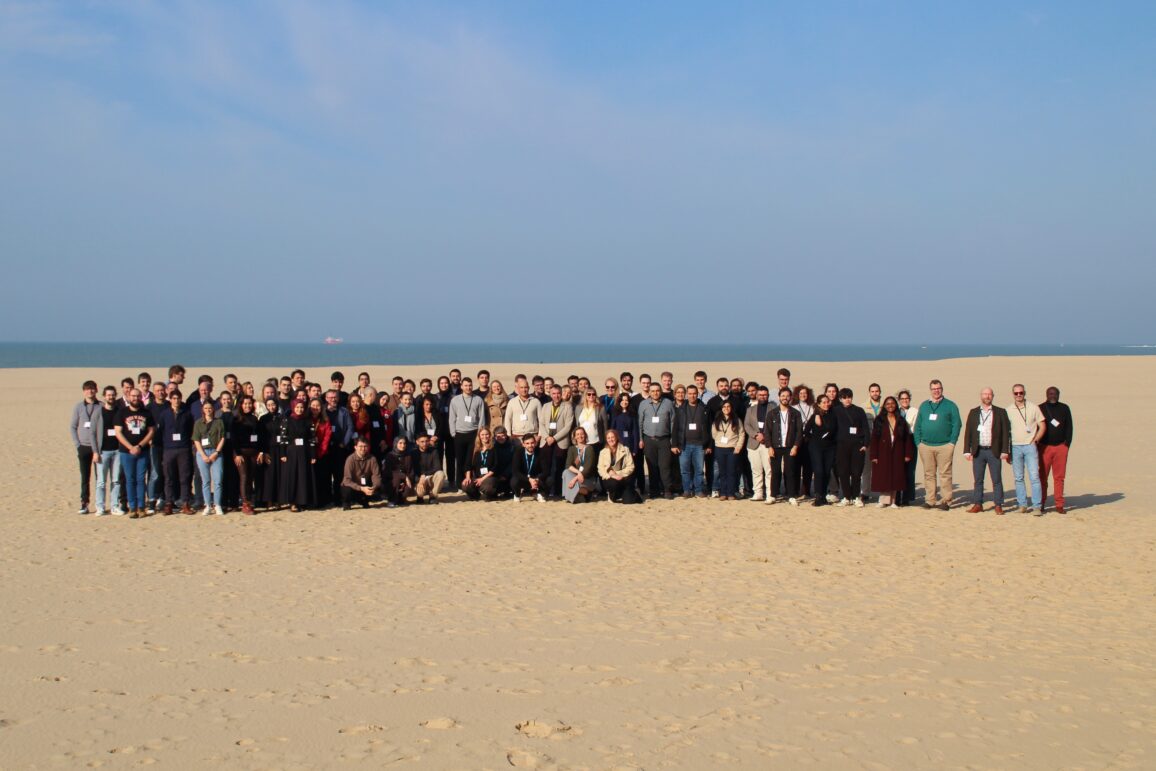
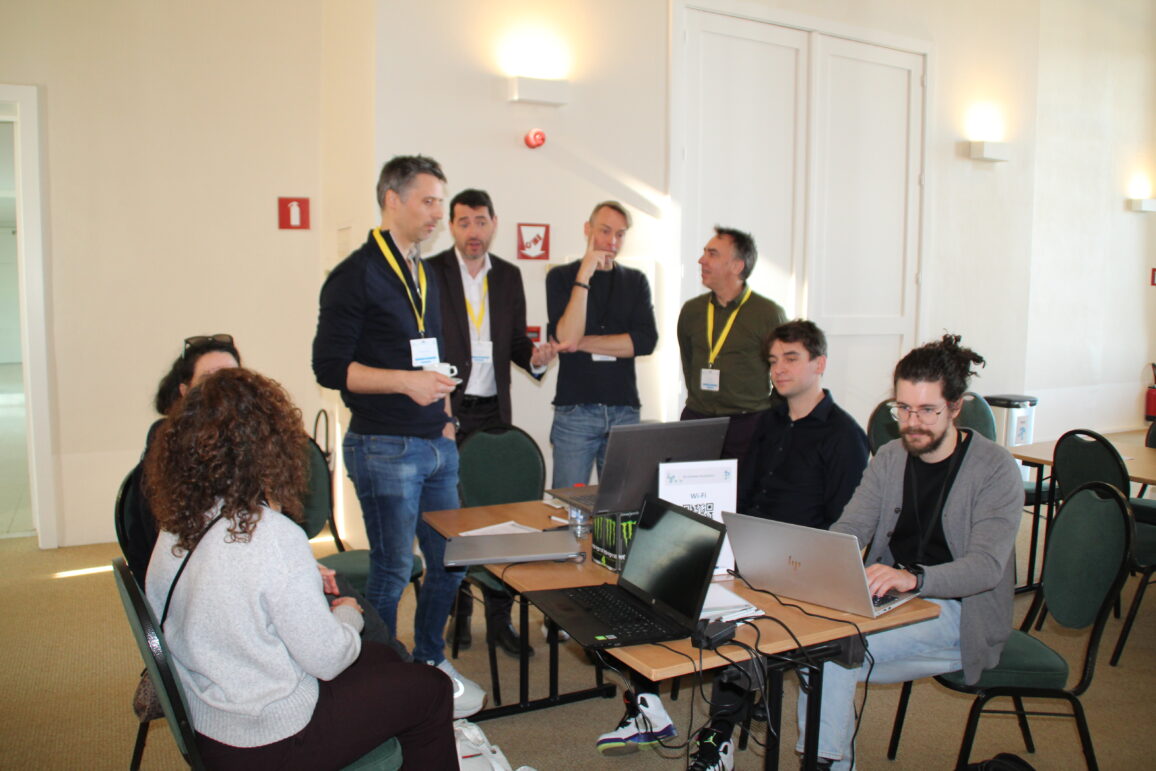
From 03 to 04 March 2026, Oostende (Belgium) was the stage for the first edition of the EP PerMed hackathon focusing on personalised medicine. More than 100 participants from 17 different countries spent two days intensively developing their innovative solutions and ideas.
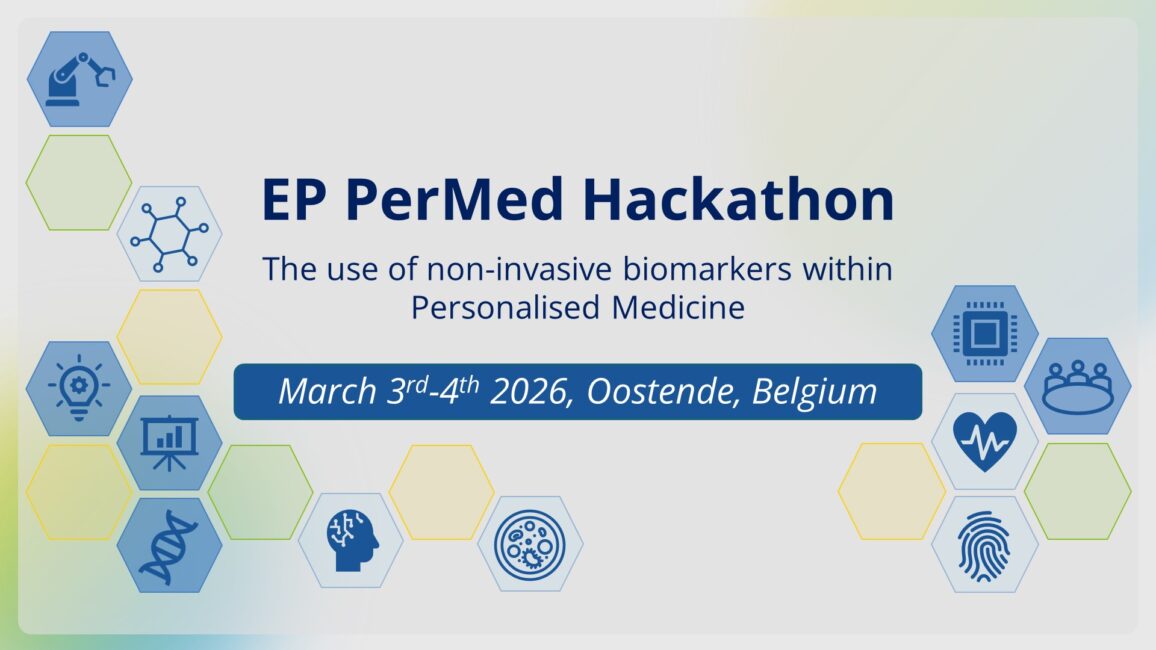
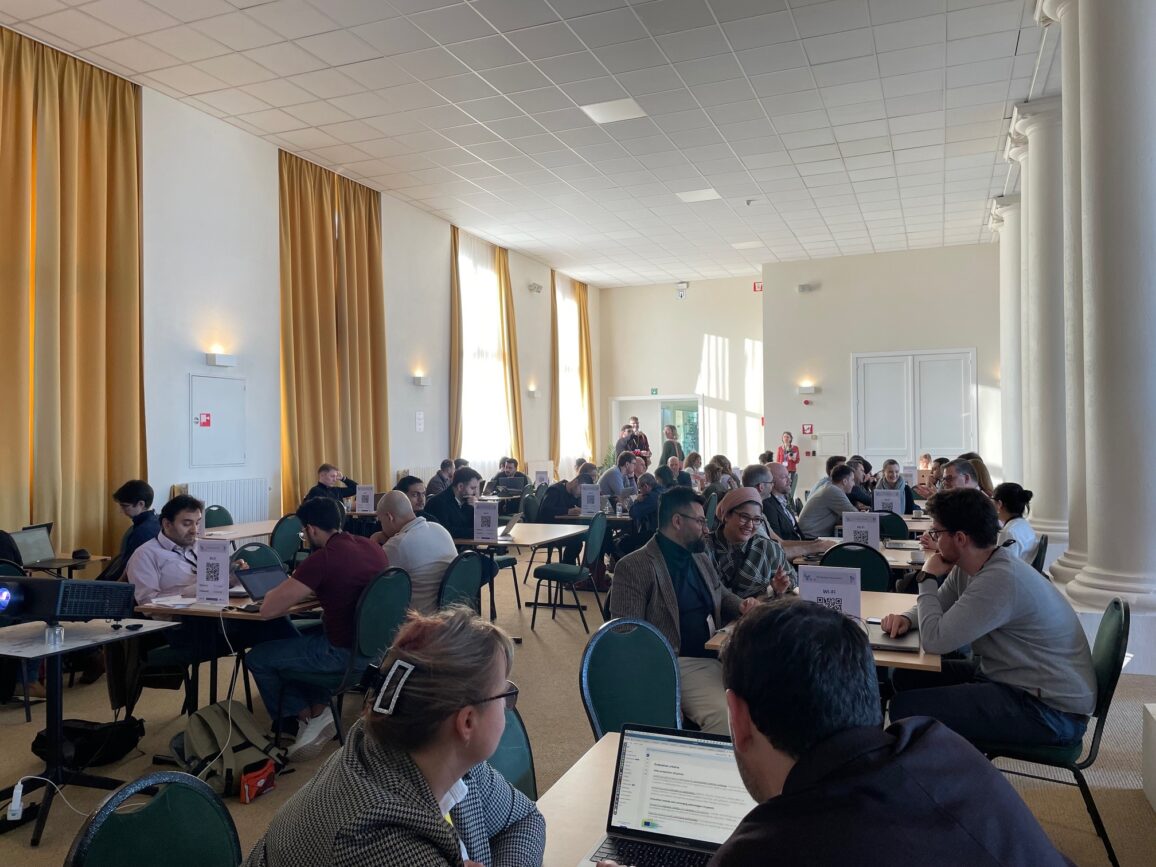
During these two days, a total of 18 interdisciplinary teams of researchers, innovators, engineers, and clinicians explored novel uses and approaches of non-invasive biomarkers in personalised medicine. Throughout the process, participants were supported by a team of 12 mentors from across Europe, upon which their ideas were evaluated by an independent panel of four expert judges. In addition, the event provided a platform for networking and building meaningful partnerships.
The Hack Days
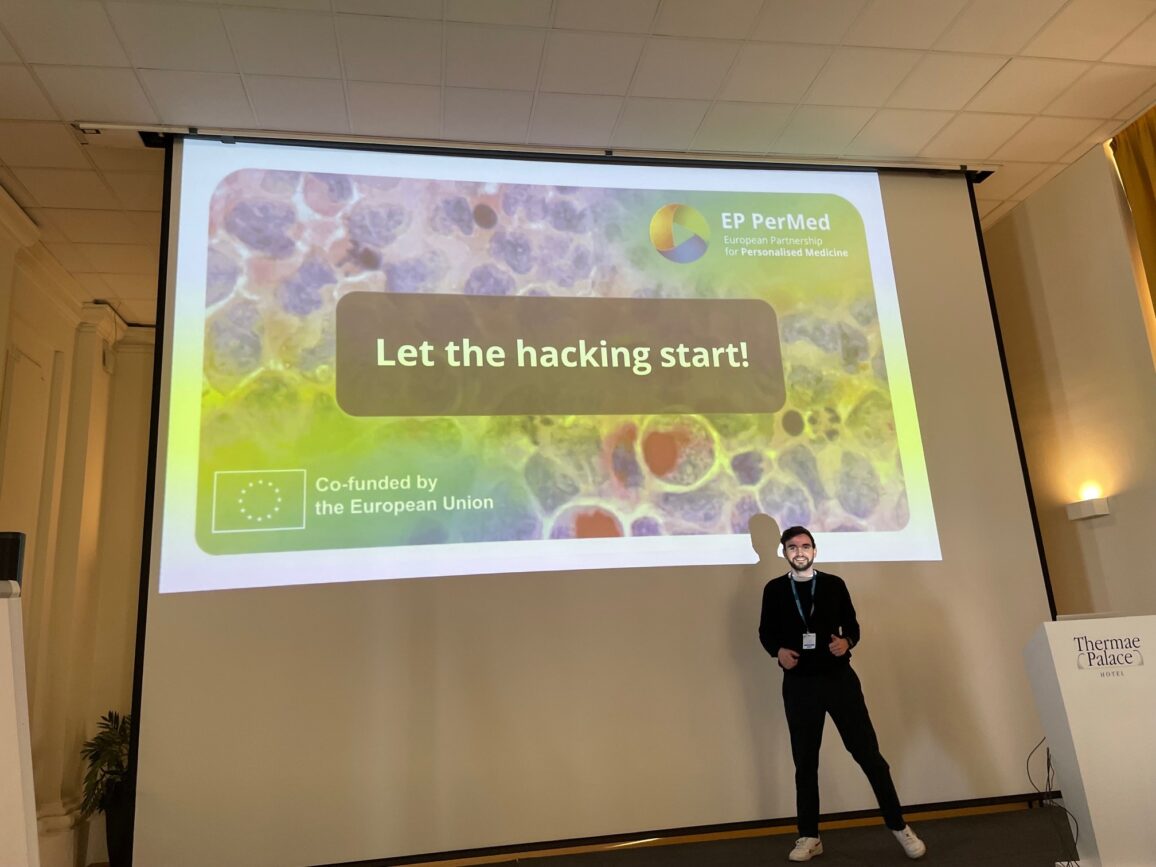
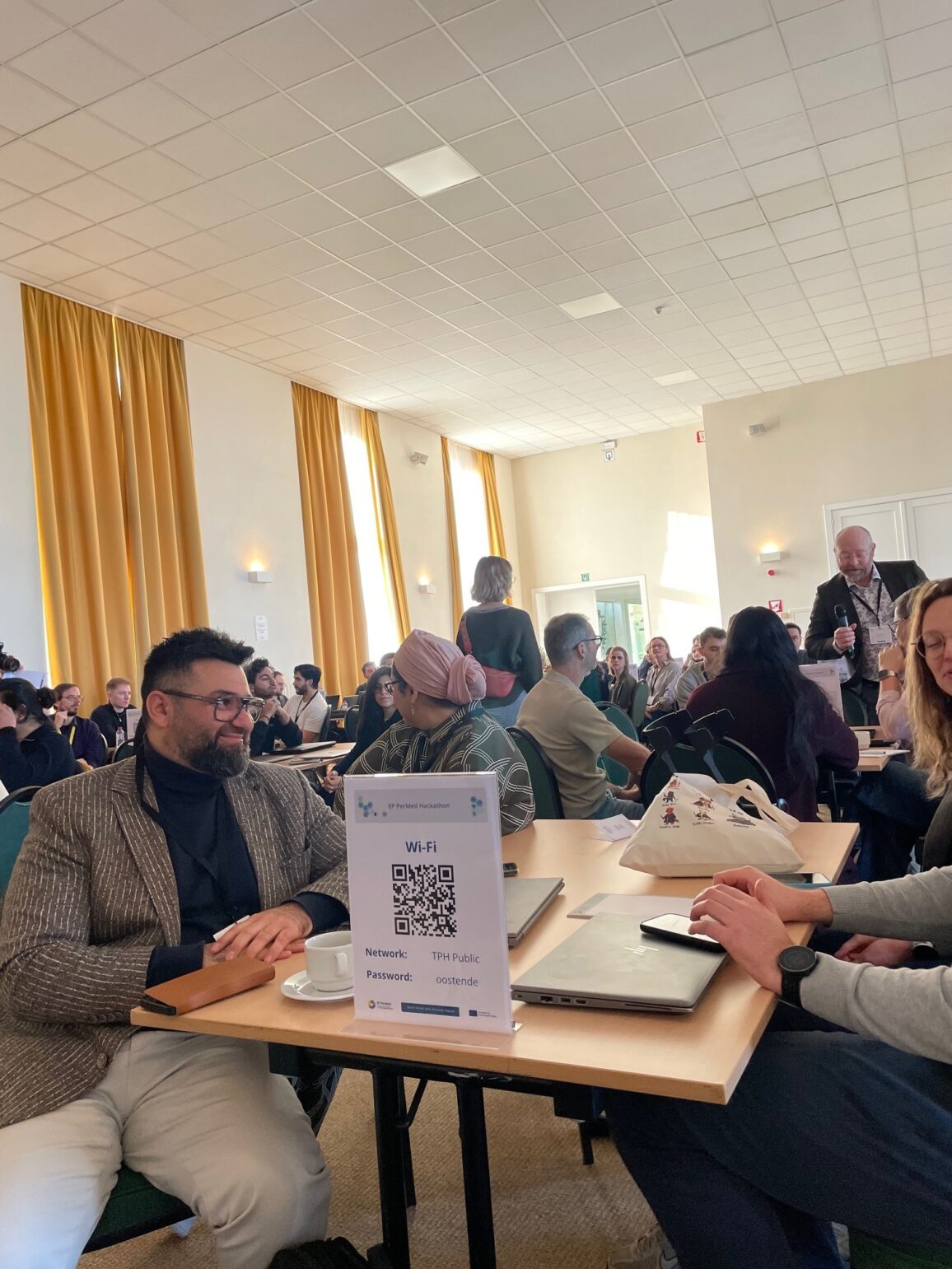
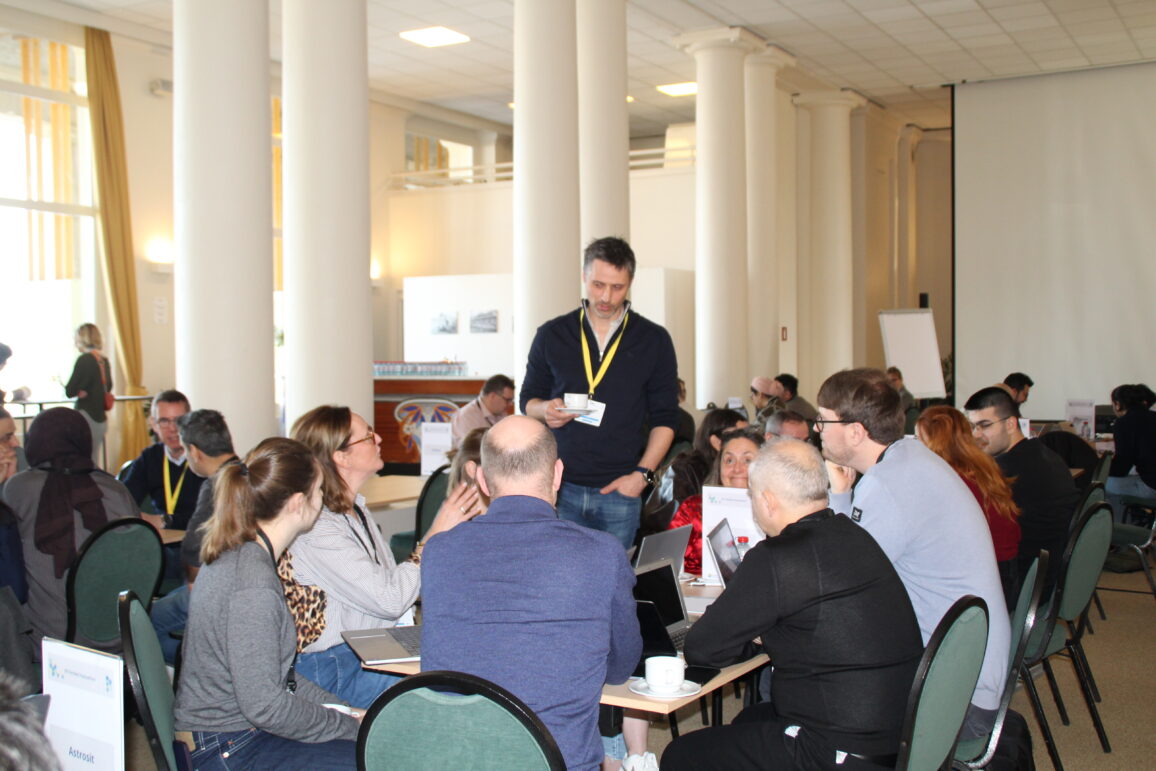
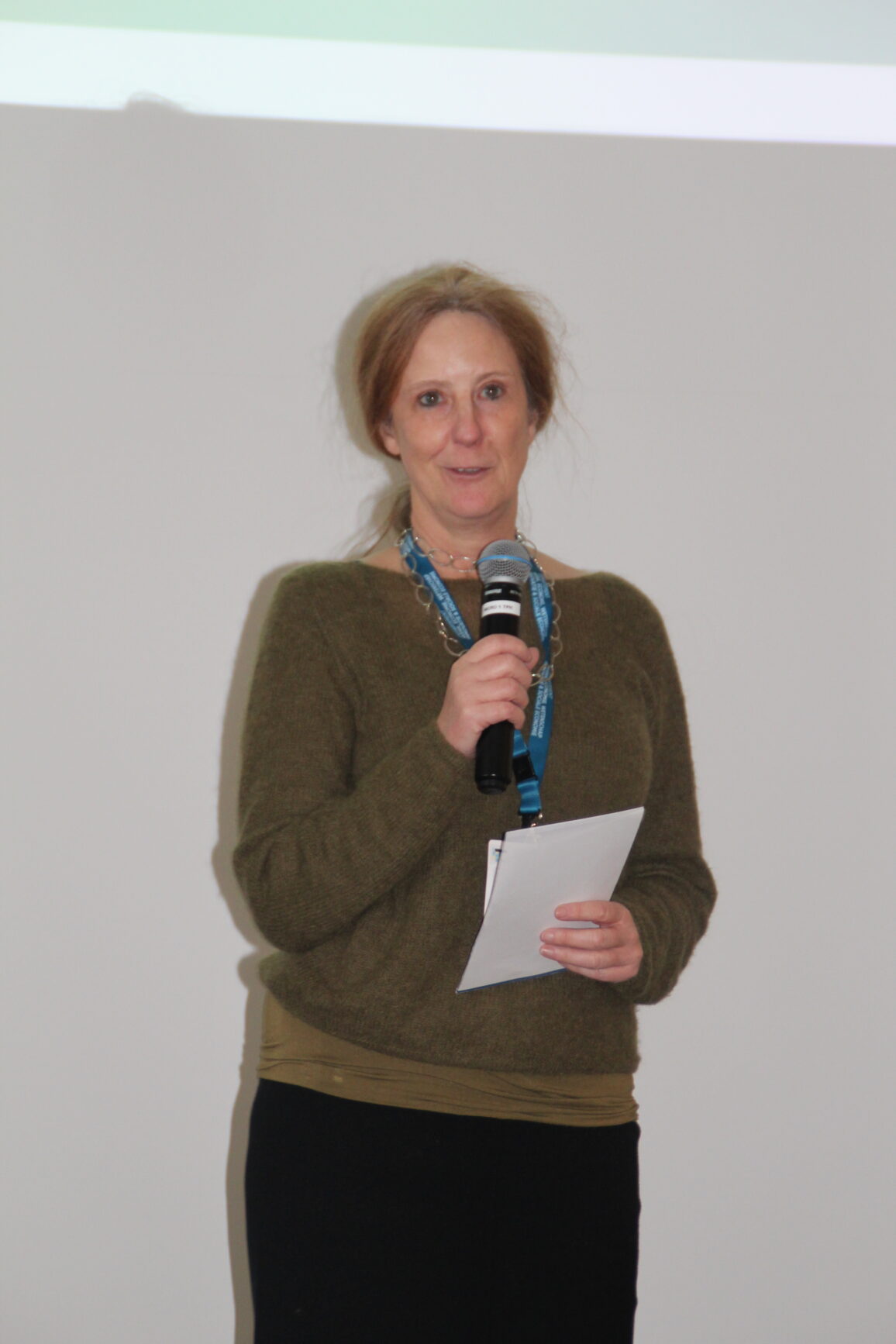
The event was opened with a short welcome by Ilias El Houari from the organising team (Flemish Government, Department WEWIS). Christine Hasenauer (DLR, EP PerMed coordination team) then provided an overview of the mission, structure, and activities of EP PerMed. Following a brief overview of the agenda and practical details, the teams were invited to introduce themselves and their projects. For the remainder of the day, the teams collaborated intensively on their ideation and the practical development of their solutions under the guidance of an experienced team of mentors. During this time, the participants had the opportunity to network, laying the groundwork for collaboration and knowledge exchange. A brief session was held during which the teams could provide feedback and express the challenges they are facing.
At the start of the second day, the teams prepared their final pitches under the advice and feedback from the mentors. All 18 teams then presented their pitches to the international jury of experts, for which they received three minutes followed by a round of questioning. Upon scoring and deliberation by the jury, a winner was announced. A closing ceremony was held, followed by a statement by Kathleen D’Hondt (Flemish Government, Department WEWIS).
Quotes from our Participants
The Winners
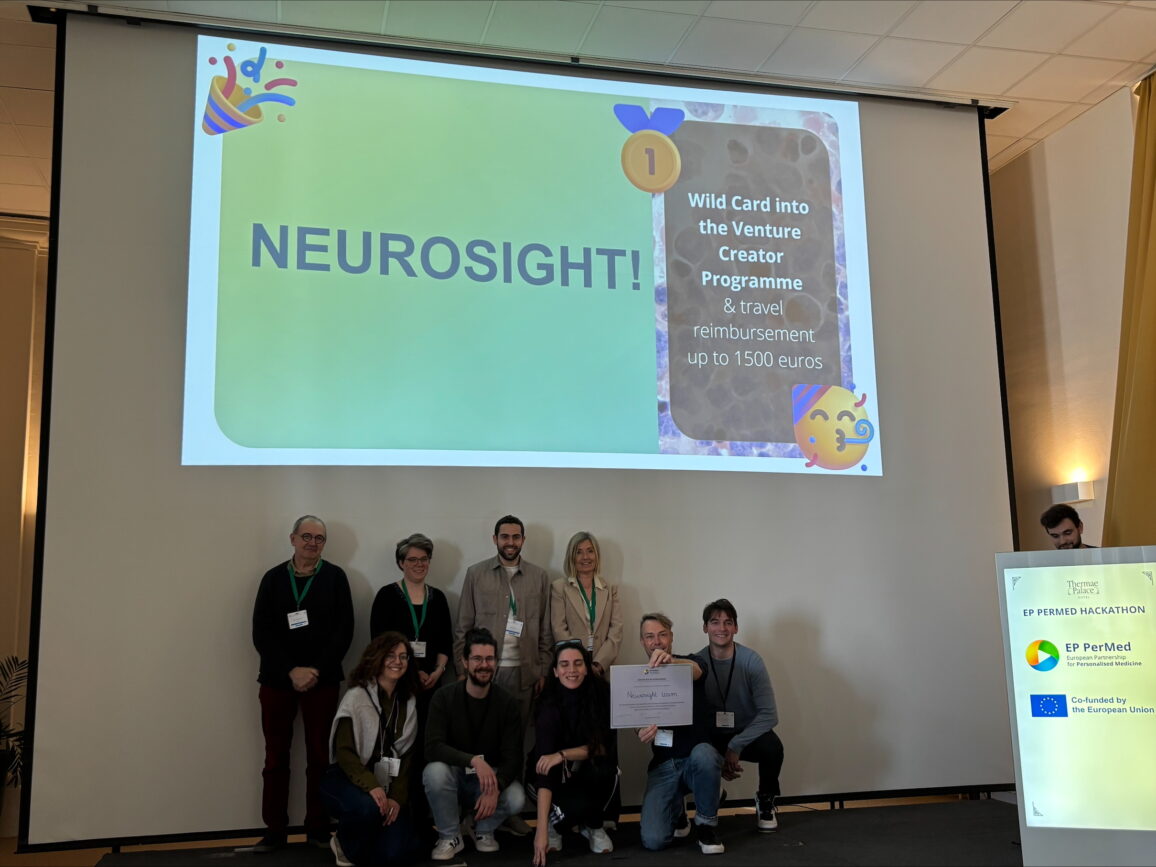
The winner was NeuroSight, an international team led by researchers from Hasselt University with members from Sweden, Greece, and Germany. NeuroSight aims to transform care for multiple sclerosis by using the eye as an indicator of brain health. Current MRI scans of the brain often miss the ‘silent’ progression of the disease.
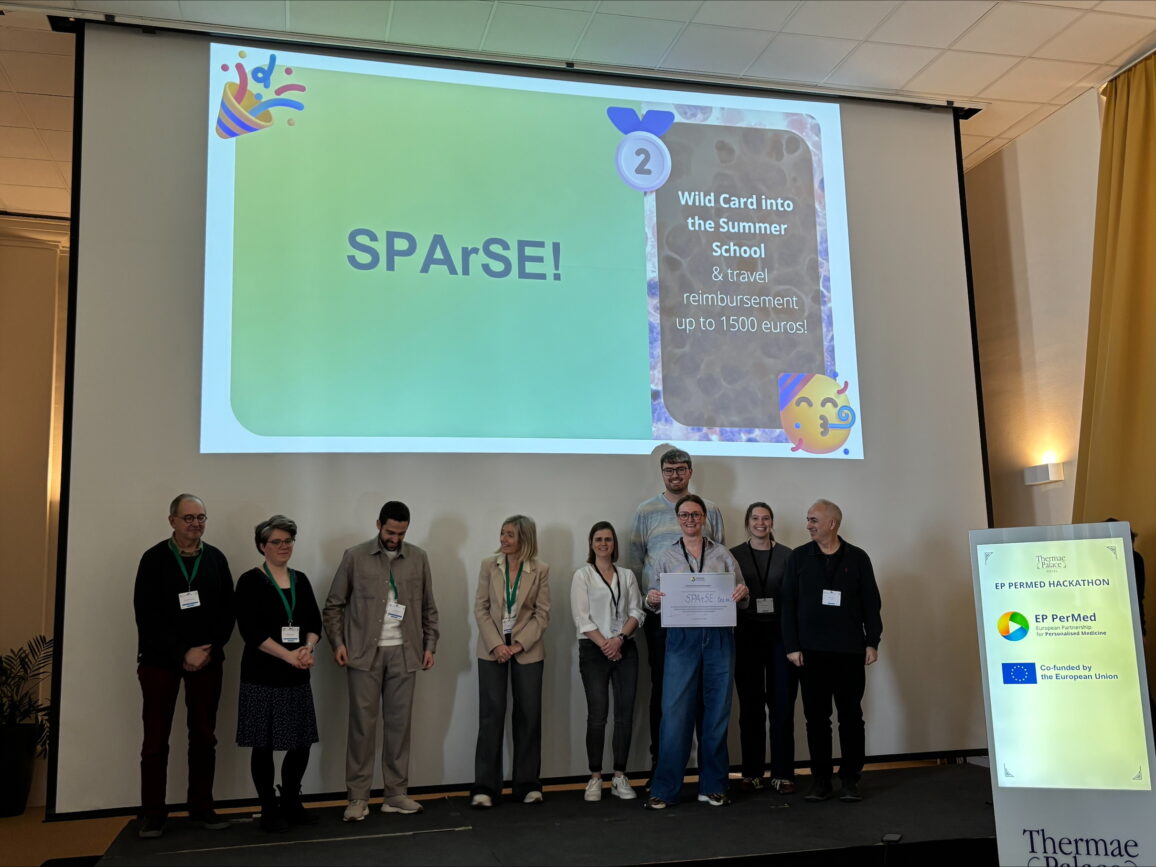
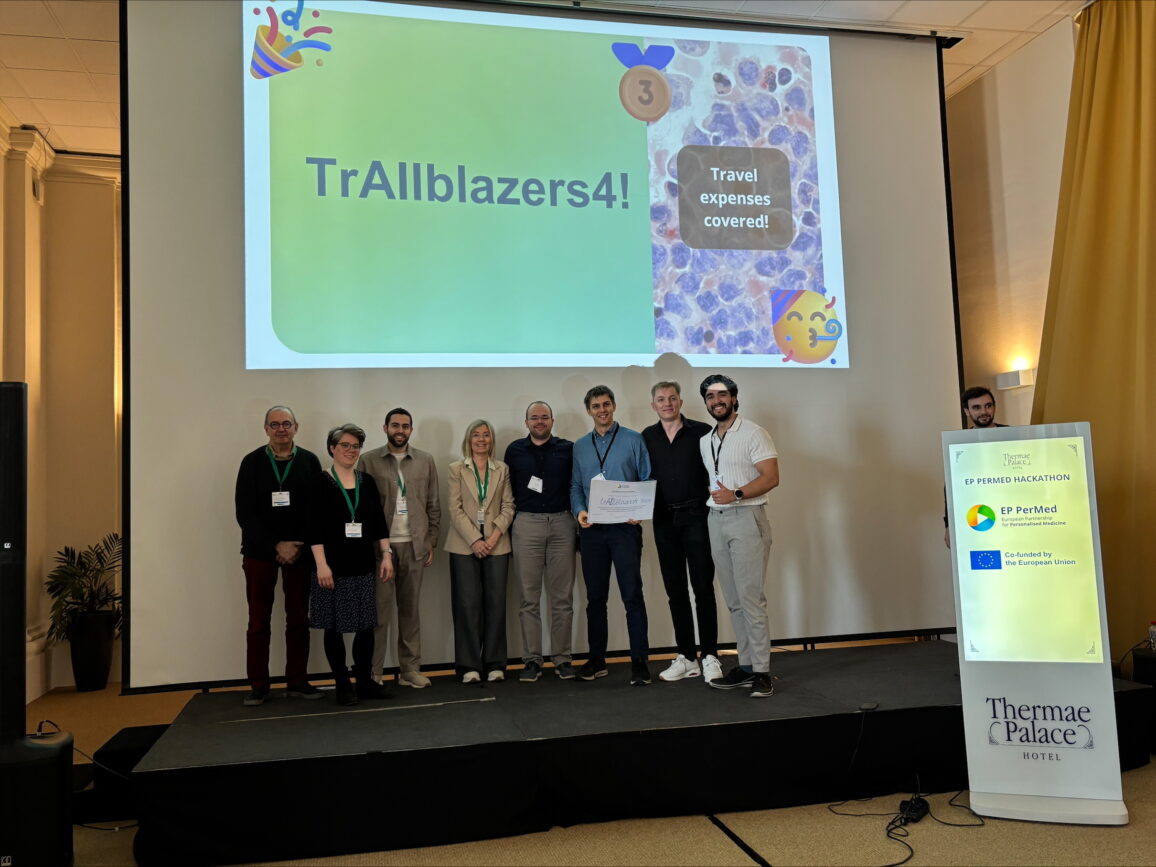
Second and third place went respectively to SPArSE (more personalised and effective cancer care, led by VITO) and trAIlblazers4 (a Hungarian team from Semmelweis University that uses AI to monitor brain health).
For an overview of all the teams and ideas is available on the Hackathon website
Impressions