

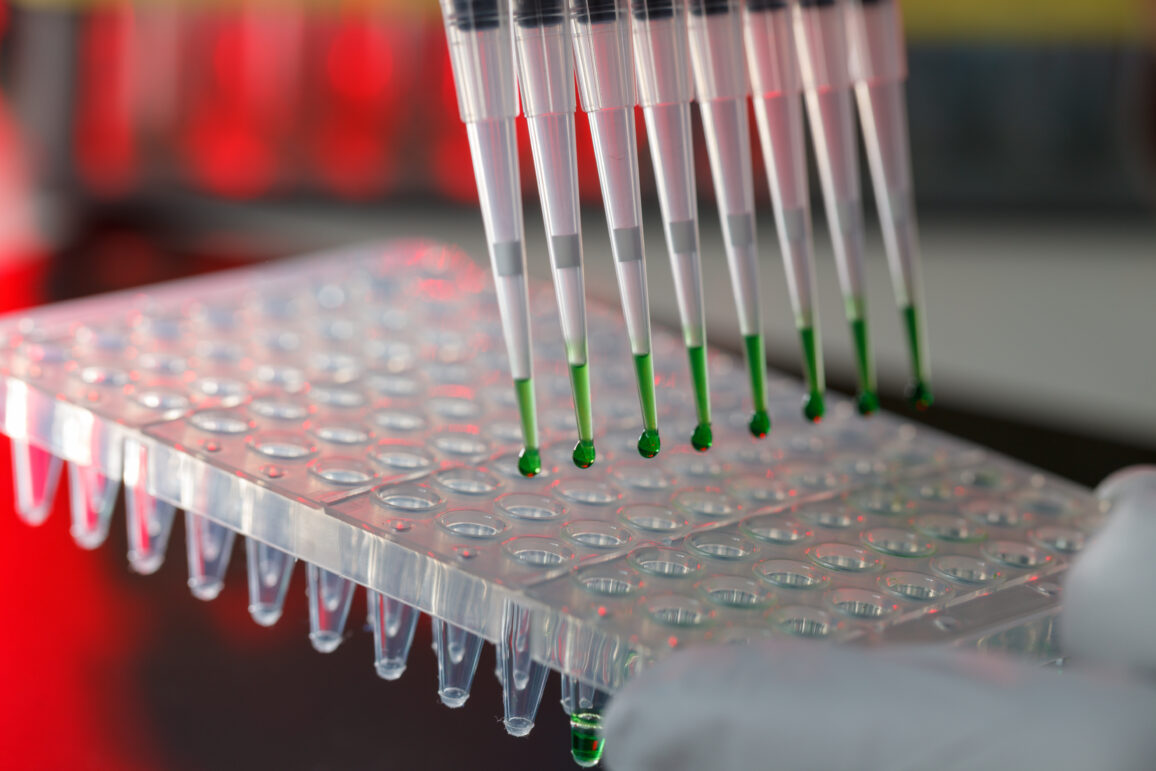
The Challenge: Decoding the Complexity of Long-COVID
While many individuals recover from an acute COVID-19 infection, millions worldwide continue to suffer from debilitating symptoms months later. This condition, known as Long-COVID or Post-Acute Sequelae of SARS-CoV-2 (PASC), remains a significant challenge for modern medicine because its diagnosis has traditionally relied on subjective, symptom-based assessments rather than objective biological markers.
The stakes of this diagnostic gap are high: research from the UriCov consortium has revealed that COVID-19 survivors face a significantly increased mortality risk. In a multinational study of survivors, it was found that nearly 14% of patients passed away during the follow-up period, with survivors younger than 65 years facing a mortality risk 4.7 times higher than healthy, COVID-negative individuals. Establishing an early warning system is therefore not just a matter of clinical convenience, but a vital necessity for long-term patient survival.
A Breakthrough in Objective Diagnosis: The PASC195 Signature
Beyond the Laboratory: Economic and Social Impact
The burden of Long-COVID extends far beyond the clinic, impacting national economies and the quality of patients’ lives. UriCov’s economic assessments confirmed that PASC is associated with significantly higher healthcare costs and a profoundly reduced quality of life for those affected.
Qualitative interviews conducted by the consortium highlighted the immense everyday challenges faced by patients and revealed notable gender differences in coping strategies. By providing an objective diagnosis, UriCov aims to reduce the “invisible” burden of the disease and help patients secure the support they need.
The UriCov project, an ambitious multinational consortium funded under the ERA PerMed JTC2022 call, has achieved a major scientific milestone by developing a novel diagnostic model based on urinary peptidomics. While most diagnostic efforts focus on blood or DNA, UriCov uses urine as a non-invasive and rich source of biological information.
To identify specific biomarkers, the consortium used advanced capillary electrophoresis–mass spectrometry (CE-MS) and machine learning to analyse the urinary molecular profiles (peptidomes) of 100 individuals. This cohort included 50 PASC patients and 50 controls, the latter comprising both healthy individuals and patients with non-COVID myalgic encephalomyelitis/chronic fatigue syndrome (ME/CFS). The resulting PASC195 signature is a panel of 195 peptides that reflects critical underlying molecular mechanisms, such as altered collagen turnover, ongoing inflammation, and endothelial dysfunction.
This tool has demonstrated remarkable precision, achieving an AUC (Area Under the Curve) of 0.962 when detecting PASC in an independent test set, meaning the PASC195 tool is 96.2% effective at correctly distinguishing between PASC patients and healthy individuals. Its high specificity also enables it to distinguish between PASC patients and those with other fatigue-related syndromes like ME/CFS and healthy individuals. These biomarkers provide an early warning system by predicting the risk of developing Long-COVID around the time of the initial acute infection.
From Discovery to Personalised Treatment
The findings from UriCov offer not only a diagnostic tool but also a vital foundation for targeted, personalised interventions. Through in silico (computer-based) simulations and drug repurposing analyses, the team identified promising treatments tailored to a patient’s unique molecular profile. The research suggests that treatments such as GLP-1 receptor agonists and mineralocorticoid receptor antagonists (MRAs), alongside structured exercise, could be used to modulate the specific biological pathways disrupted by PASC.
Because the PASC195 signature reveals specific molecular issues like altered collagen turnover (fibrosis), endothelial dysfunction, and hemostatic imbalances, clinicians may be able to select drugs that address these root causes rather than just managing symptoms. By identifying which patients exhibit these specific molecular dysregulations, a personalised-medicine approach can be used where clinical trials and treatments will be guided by the patient’s own molecular profile. This enables the ability to prioritise the patients who need early intervention and improve long-term outcomes while optimising healthcare resources.
The Power of Multinational Collaboration
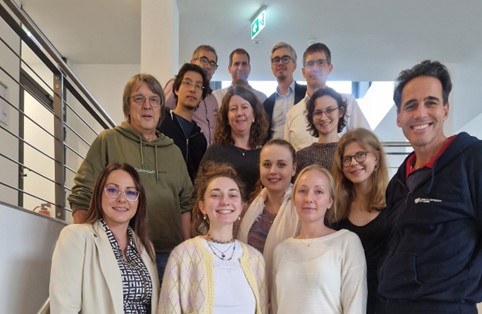
The success of UriCov was made possible by the interdisciplinary framework established by ERA PerMed and brought together experts in clinical proteomics, computational biology, epidemiology, and patient-centred research from across Europe. This multinational partnership, coordinated by Justyna Siwy (Mosaiques Diagnostics GmbH, Germany), brought together leading international experts including Manfred Hecking (Medical University of Vienna, Austria), Catherine Tourette-Turgis (Sorbonne Université, France), Ralph Wendt (St. Georg Hospital Leipzig, Germany), Miroslaw Banasik (Wroclaw Medical University, Poland), and Björn Peters (Region Västra Götaland, Skaraborg Hospital, Sweden).
By conducting research across these diverse European centres, the team was able to integrate molecular and clinical data at a scale that ensured the findings were both robust and globally applicable. The funding and collaboration enabled the standardisation of urinary peptidomics across multiple countries and facilitated the use of advanced machine learning. This collaborative effort has moved PASC diagnostics toward a future where non-invasive, omics-based testing is a routine part of clinical practice.
Looking Ahead: Real-World Implementation
The next steps for UriCov involve validation in larger, independent cohorts to confirm the robustness of the PASC195 signature. The ultimate goal is to integrate these omics-based, non-invasive biomarkers into routine clinical workflows. By reducing diagnostic uncertainty and enabling early risk identification, UriCov is helping to establish a new standard of care that promises better outcomes and a higher quality of life for those living with Long-COVID.
This work matters because Post-Acute Sequelae of SARS-CoV-2 (PASC) continues to affect millions of patients worldwide, yet diagnosis and treatment remain uncertain. By developing objective, non-invasive biomarkers like PASC195, we hope to empower clinicians to identify at-risk patients early and guide personalised interventions.
Dr. Justyna Siwy, Project Coordinator
The UriCov consortium’s findings have been published in leading peer-reviewed journals, providing a robust scientific foundation for their diagnostic tools:
The UriCov project was supported by
- Federal Ministry of Research, Technology and Space (BMFTR)
- Federal Ministry of Health (BMG)
- Austrian Science Fund (FWF)
- French National Research Agency (ANR)
- National Centre for Research and Development (NCBR)
- Sweden’s Innovation Agency (Vinnova)
under the frame of ERA PerMed JTC2022.