

The Challenge: Moving Beyond “One-Size-Fits-All” in Blood Cancer

Chronic lymphocytic leukaemia (CLL) is the most common form of leukaemia in Europe, and despite significant medical advances, it remains incurable. While modern medicine has moved toward targeted drugs, designed to attack the molecules that help cancer grow rather than killing all fast-growing cells like chemotherapy, these therapies do not work the same way for everyone. Two people with the same disease can respond very differently to the same treatment, and hence personalised medicine is needed for more successful and efficient outcomes.
Physicians once relied on DNA markers to attempt to predict outcomes, but these traditional genetic tests fail to predict how patients respond to new targeted drugs. This gap led to the creation of Functional Precision Medicine (FPM). While traditional precision medicine looks for mistakes in a patient’s DNA, FPM looks at the behaviour of the cell – specifically the proteins and signaling pathways that act as the cell’s internal communication machinery. By observing which of these signaling pathways are turned on or off, researchers can gain a much clearer picture of how a patient’s cancer will most likely behave when it meets a specific drug.
A Breakthrough in Predicting Success
The CLL-CLUE project, an ambitious interdisciplinary consortium funded in the framework of ERA PerMed Joint Transnational Call 2020 (JTC2020), utilised FPM to improve the treatment outcome of CLL. The consortium recently reached a major milestone with a landmark study published in Clinical Cancer Research. A joint collaborative effort led by CLL-CLUE consortium members Sigrid Skånland and Tero Aittokallio used a specific targeted drug (a PI3K inhibitor) as a model to understand how these therapies change the internal communication lines, or cell signaling, within leukaemia cells.
By combining deep biological analysis with artificial intelligence, the researchers identified a ‘signature’ of 5 signaling pathway proteins phosphorylated at specific sites that could act as a predictor for drug resistance. They discovered that the model could predict whether a patient would be a “responder” (someone whose cancer shrinks or stabilises) or a “non-responder” (someone whose cancer continues to grow) with 80% accuracy before the treatment even began. Furthermore, the model reached 89% accuracy when distinguishing between those who would achieve a partial versus a complete response. This level of precision is possible because the team moved beyond static DNA markers to look at the active protein machinery inside the cell.
In patients who achieved a positive response, the team observed that the drug treatment successfully shut down specific internal signals, such as the AKT signaling pathway, which helps the cancer to survive. Simultaneously, the treatment triggered “pro-death” signals like the Bim protein, causing the leukaemia cells to self-destruct. The study further revealed that the responding patients experienced a significant increase in mature, “cytotoxic” Natural Killer (NK) cells, the body’s native defence, suggesting the treatment helps the patient’s own immune system join the fight against the cancer.
For patients categorised as non-responders to the PI3K inhibitor treatment, the researchers continued to explore alternative treatments that could work for them. A sample of each of the non-responder’s cancer cells were screened with 94 different drugs and across 87 drug combinations to find a personalised strategy that would break through the resistance and halt cancer growth. They found a particular sub-set of the non-responders that were pre-clinically sensitive to a combination of PI3K inhibitor with a BCL2 inhibitor. This result brings the CLL-CLUE consortium one step closer to their goal- that all patients will be prescribed drugs that most effectively work for them, sparing them the time, cost, and pain of ineffective treatments.
Recognising Excellence: The 2025 Ragnar Mørk Prize
The impact of this work has been recognised at the highest levels of the scientific community. In November 2025, Dr. Sigrid Skånland was awarded the prestigious Dr. Ragnar Mørk’s Prize for Excellent Cancer Research. She received the award for her ground-breaking research on haematological cancers and her leadership in precision medicine – a testament to the high-caliber science driving the CLL-CLUE consortium and its mission to transform leukaemia care.
From Discovery to the Clinic: CLL-OUTCOME
The findings from CLL-CLUE have already transitioned into a follow-up project under EP PerMed JTC2024 entitled CLL-OUTCOME. This consortium plans to validate the biological markers identified in the CLL-CLUE project to ensure that they accurately predict if a patient may respond to a targeted therapy. If the findings are confirmed, these biological markers may be used to guide treatment decisions for clinical trial patients, which if successful, will then be implemented in the clinical practice.
For a new medical technique to gain widespread use in the clinic, it must be accessible, affordable, and easy for hospitals to adopt. The FPM method described in the Skånland study utilises flow cytometry, a technology that is already standard in most hospitals, relatively low-cost and produces results in a relatively quick time-frame that can guide clinical decisions in real-time. This methodology therefore meets the criteria that could enable its widespread use and enable integration into healthcare systems with relative ease.
Video Statement by Sigrid Skånland
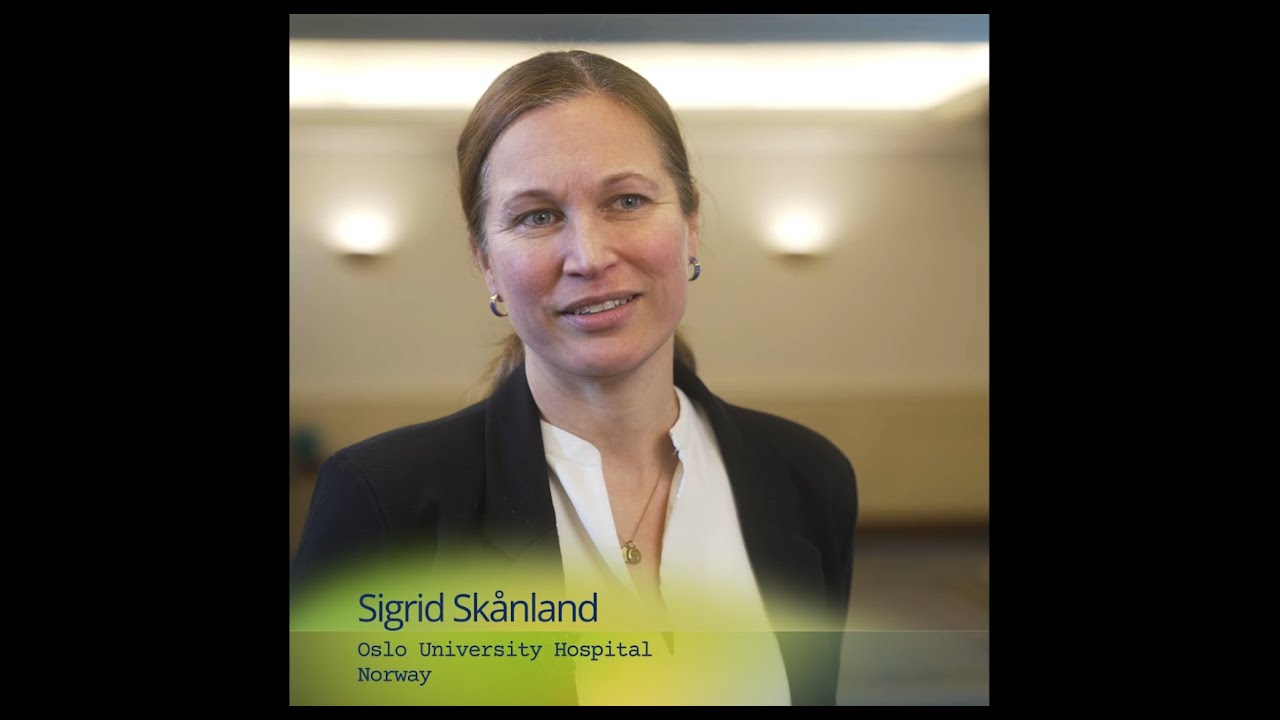
During the EP PerMed Conference in February 2025 in Berlin, we had the opportunity to interview some of our speakers, as well as international experts and stakeholders. In her statement, Sigrid emphasises the importance of ongoing funding programmes. She cites the example of how ERA PerMed enabled her research consortium to identify a biomarker, and how EP PerMed then facilitated the validation of this biomarker and the planning of its implementation in a clinical trial to inform personalised treatment decisions.
The Power of Multinational Collaboration
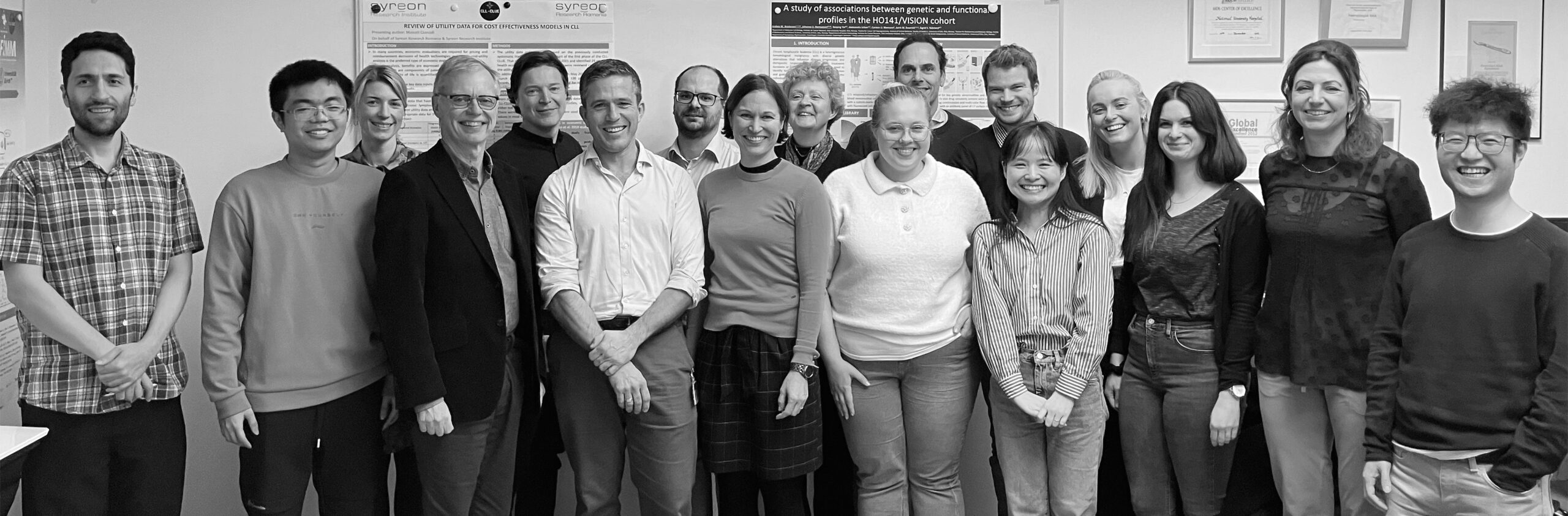
The success of CLL-CLUE highlights the indispensable role of ERA PerMed funding and international partnership. Because the goal of tailoring leukaemia treatment is so ambitious, it required a multinational consortium to pool the necessary expertise in clinical oncology, artificial intelligence, and healthcare economics. This initiative was coordinated by Sigrid Skånland (Oslo University Hospital, Norway), and brought together leading experts from 5 different countries: Carsten Utoft Niemann (Copenhagen University Hospital, Denmark), Tero Aittokallio (University of Helsinki, Finland), Barbara Eichhorst (University Hospital of Cologne, Germany), László Zsombor Lorenzovici (Syreon Research Romania SRL, Romania) and Thorsten Zenz (University of Zurich, Switzerland). The project also integrated two patient representatives directly into the project team, ensuring the research remained focused on the outcomes that matter most to those living with the disease. By working across borders, the team has successfully shifted the paradigm from empirical trial-and-error, to predictive diagnostic treatment, transforming a bold scientific vision into a clinical reality that ensures patients receive the right treatment at the right time.
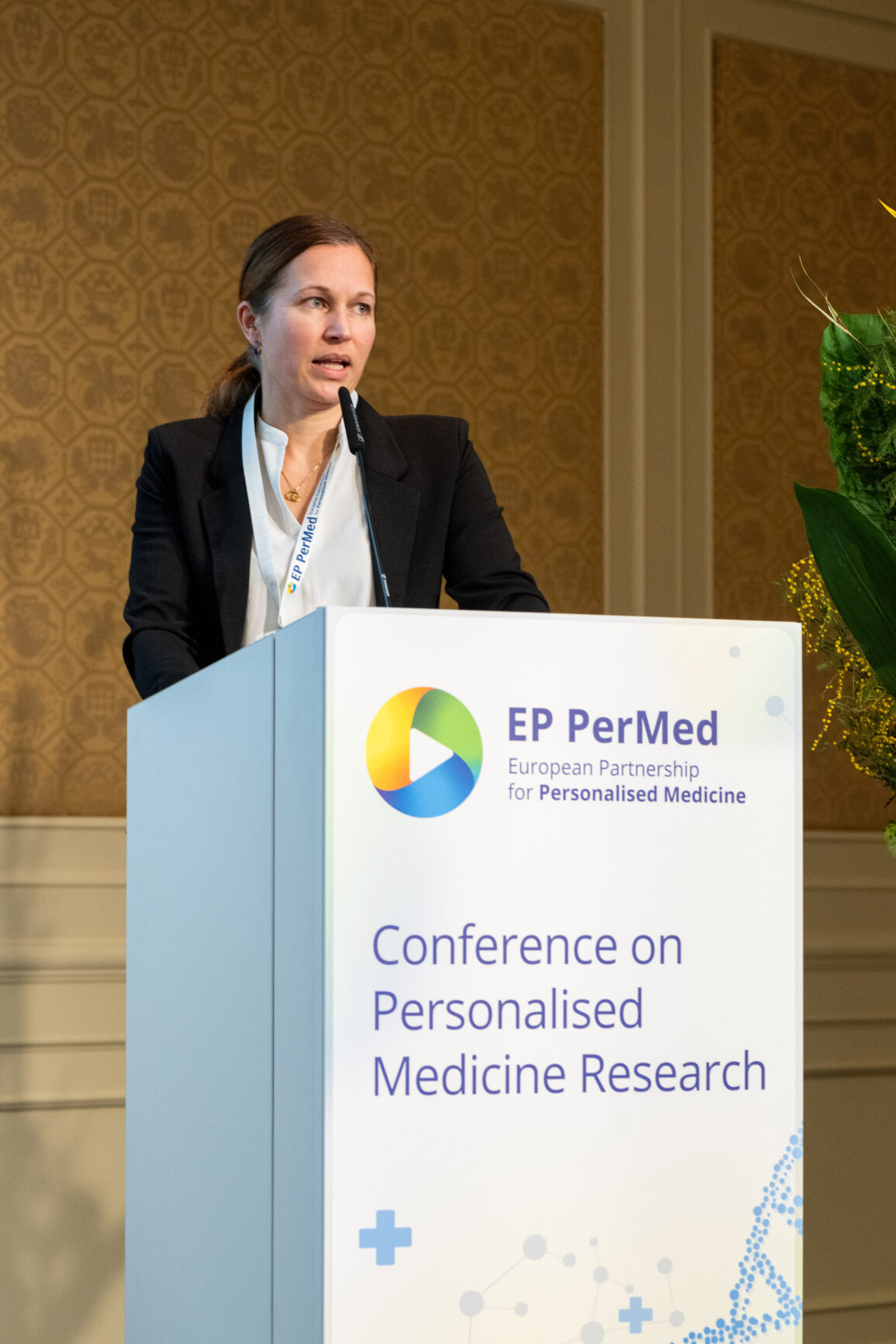
The CLL-CLUE project has resulted in important research findings, and it has built the foundation for continued and extended collaborations between multinational research teams. The impact of the support from ERA PerMed will therefore extend beyond the CLL-CLUE project duration, which will benefit the patients.
Sigrid Skånland, CLL-CLUE Consortium Leader
The CLL-CLUE project was supported by
- The Research Council of Norway (RCN)
- Innovation Fund Denmark (IFD)
- Research Council of Finland (AKA)
- Federal Ministry of Research, Technology and Space (BMFTR)
- Executive Unit for Research, Development and Innovation Higher Education Funding (UEFISCDI)
under the frame of ERA PerMed.
The CLL-OUTCOME is supported by
- The Research Council of Norway (RCN)
- Research Council of Finland (AKA)
- Innovation Fund Denmark (IFD)
- Federal Ministry of Health (BMG)
- The Netherlands Organisation for Health Research and Development (ZonMw)
under the frame of EP PerMed JTC2024.