

EP PerMed has published a report on its session “Returning Biobank Data to Participants: Closing the Loop”, organised together with BBMRI-ERIC during Europe Biobank Week 2026 in Prague.
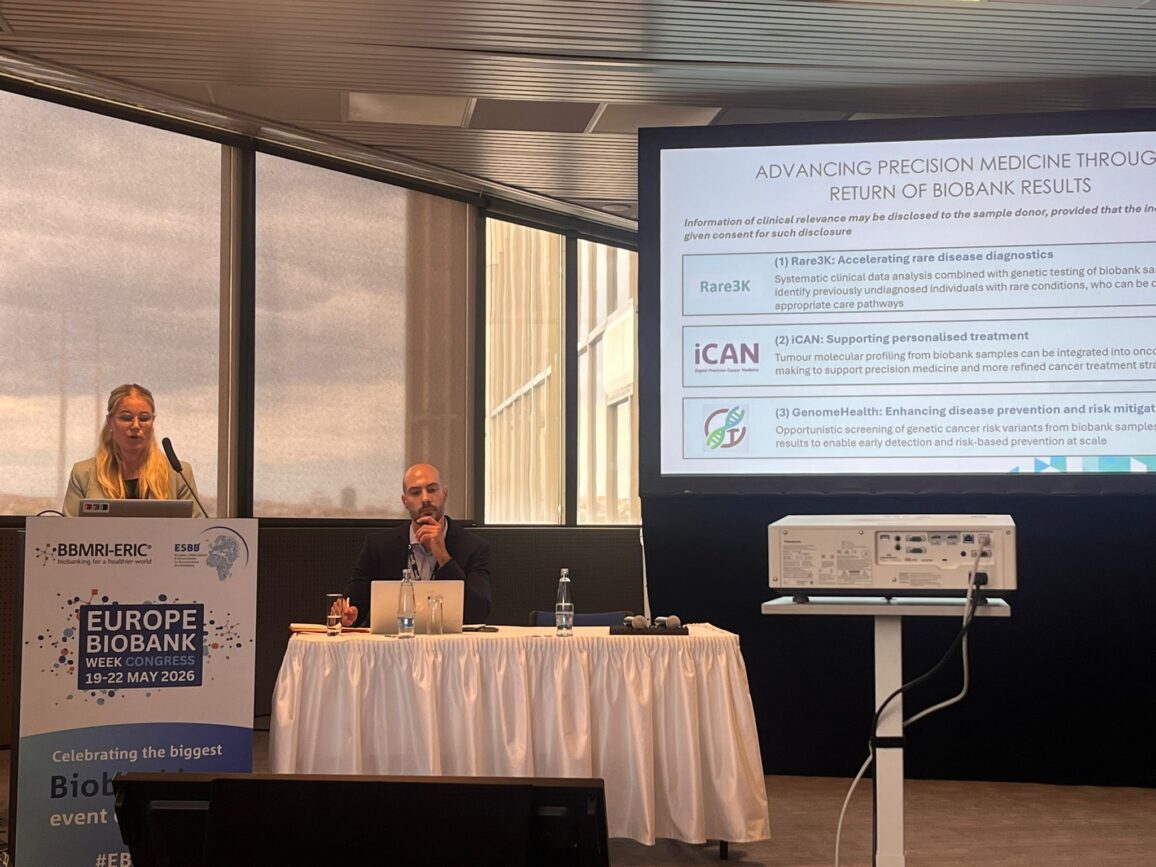
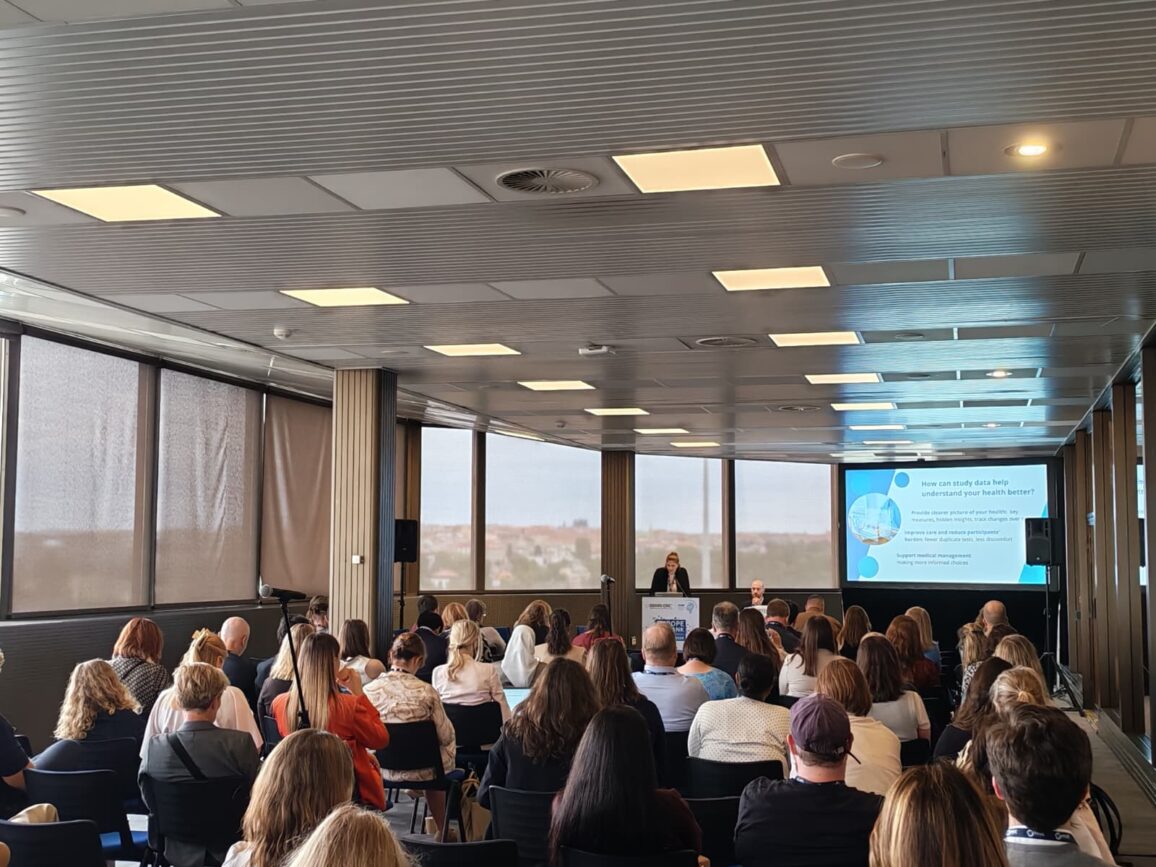
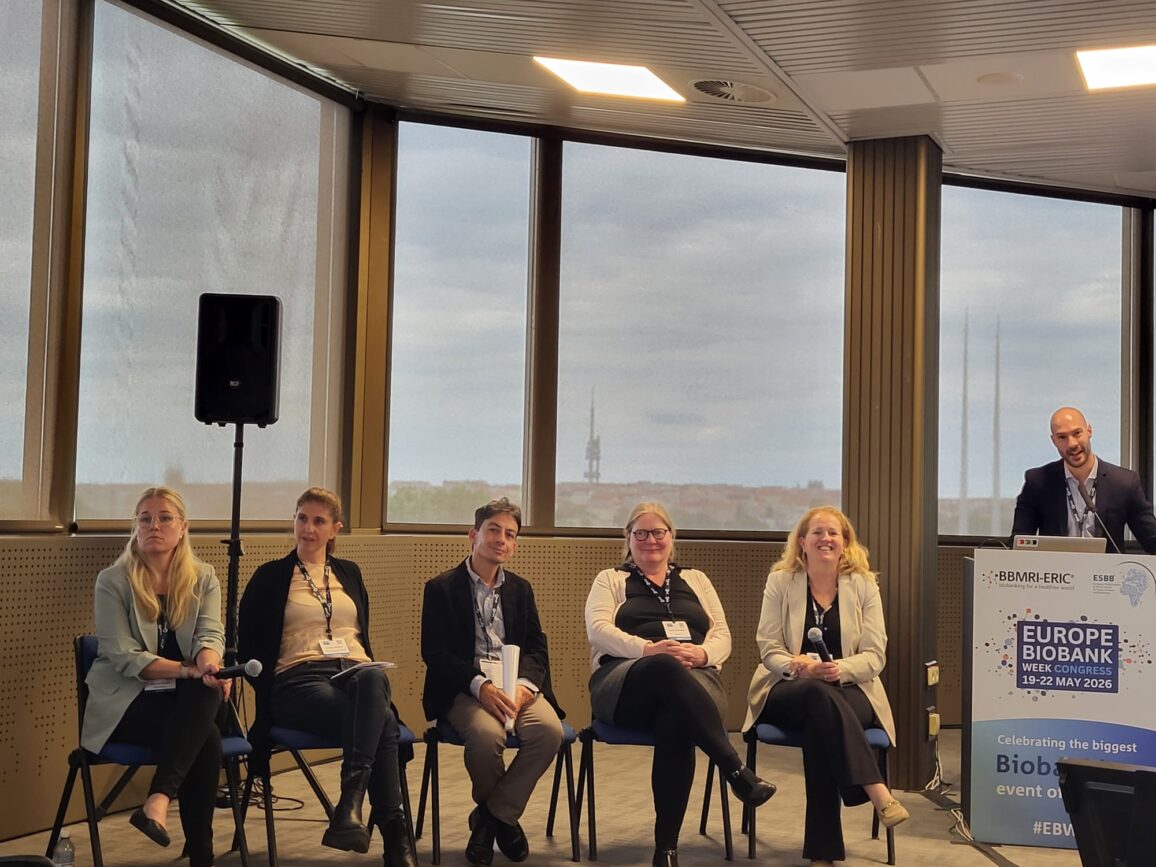
The session took place on 20 May 2026 and brought together experts from biobanks, research infrastructures, patient organisations and clinical research to discuss how medically relevant research data and findings can be returned to participants in a responsible, transparent and participant-centred way.
Returning data from biobanks, genomic studies and clinical trials is becoming an increasingly important topic for personalised medicine. It can strengthen public trust in research, improve science and genetic literacy, and support participants’ active engagement in the research process. At the same time, it raises important legal, ethical, technical and organisational questions, including data protection, consent, clinical validation, counselling, the right not to know, and the availability of appropriate infrastructures.
The EP PerMed session addressed these challenges through presentations from experts representing TMF/BBMRI-ERIC, Helsinki Biobank, the University of Malta, the FACILITATE project, Active Citizenship Network-Cittadinanzattiva and Radboud Biobank. The contributions covered regulatory and legal aspects, experiences from Finland’s national biobank system, Malta’s DwarnaBio population biobank, patient-centred principles for returning individual participant data in clinical trials, and participant preferences regarding unsolicited findings.
A key message of the session was that returning participant data should no longer be treated as an exceptional or ad hoc activity. Instead, it should be planned from the beginning of research projects and embedded in clear governance structures, with appropriate clinical pathways, secure infrastructures and meaningful participant involvement.
The panel discussion highlighted that successful return-of-results systems require sustainable funding, quality assurance, validated procedures, diagnostic confirmation, counselling capacity and coordinated approaches across countries. Participants also discussed the potential role of digital tools and information portals, including in the context of the European Health Data Space.
The report summarises the background, aims, logistics, presentations and main discussion points of the session. It also underlines the relevance of returning participant data for personalised medicine, as this practice can help build trust, increase transparency and support a more people-centred research ecosystem.